

War and weather impact on coffee production

Every summer, the Sahara Dust drifts across Jamaica’s skyline, affecting this luxury coffee-growing island, already vulnerable to violent weather.

For locals, the sight of the dust reinforces that summer is here! Remember, all weather involves the transfer of heat. If desert dust is visible, what about the thousands of missiles fired in recent years across the Middle East, Eastern Europe, and parts of Africa?

One missile can destroy an entire apartment complex and some can destroy entire blocks. Could they be contributing to atmospheric heating? The heat and carbon emissions from these missile strikes might be making their way toward the Caribbean. While no scientific evidence supports this theory yet, it does raise interesting questions.

The Jamaican coffee industry is facing growing challenges due to increasingly unpredictable weather patterns, including heavier rainfall and prolonged droughts. Recently, the industry reported losses of US$3.5 million—over 15% of its annual crop. Experts point to intensified heat transfer in the atmosphere, potentially worsened by global conflicts, as a contributing factor. This is driving up global coffee prices, mirroring the impacts already felt in Jamaica’s Blue Mountain Coffee sector.

On Monday, Nasdaq reported that coffee commodity prices—both Arabica and Robusta—rose by 1.9% and 1.6%, respectively, for October 28. This rally is largely attributed to weather disruptions affecting major coffee-growing regions. Extreme conditions, such as excessive rain and prolonged droughts, are hampering harvests. Brazil, the world’s largest coffee producer, is grappling with inconsistent weather, driving prices higher. Similarly, reports from Colombia highlight concerns over unstable growing conditions.
AI for coffee blends. Sounds like gimmicks

An artisan roastery based in the Finnish capital has introduced a coffee blend that has been developed by artificial intelligence, in a trial in which it’s hoped that technology can ease the workload in a sector that traditionally prides itself on manual work, according to an AP article.

It is only apt that the Helsinki-based Kaffa Roastery’s ‘AI-conic’ blend was launched this week in Finland, a Nordic nation of 5.6 million that consumes the most coffee in the world, at 12 kilogrammes per capita annually, according to the International Coffee Organisation.

The blend – an AI-picked mixture with four types of beans dominated by Brazil’s velvety Fazenda Pinhal – is the end result of a joint project by Kaffa, Finland’s third-biggest coffee roastery, and local AI consultancy Elev.

“Leveraging models akin to ChatGPT and Copilot, the AI was tasked with crafting a blend that would ideally suit coffee enthusiasts’ tastes, pushing the boundaries of conventional flavour combinations,” Elev said.

Kaffa Roastery’s managing director and founder Svante Hampf told The Associated Press on Saturday that the two partners wanted to trial how AI and its different tools could be of help in coffee roasting, a traditional artisan profession highly valued in Finland.

“We basically gave descriptions of all our coffee types and their flavours to AI and instructed it to create a new exciting blend,” said Hampf, while showcasing ‘AI-conic’ at the Helsinki Coffee Festival that annually brings together roasteries and coffee aficionados.

In addition to coming up with its chosen mixture of beans from Brazil, Colombia, Ethiopia and Guatemala, AI created the coffee package label and a detailed taste description, saying ‘AI-conic’ is “a well-balanced blend of sweetness and ripe fruit”.

Hampf acknowledged he was surprised that AI “somewhat weirdly” chose to make the blend out of four different type of coffee beans, rather than the usual two or three which allows distinction in taste between flavours from different origins.

After the first test roasting and blind testing, Kaffa’s coffee experts agreed, however, that the tech-assisted blend was perfect, and there was no need for human adjustments.

According to Elev’s spokesman Antti Merilehto, “AI-conic is a tangible example of how AI can introduce new perspectives to seasoned professionals” while offering coffee lovers new taste experiences.

Kaffa Roastery hopes the trial serves as an opener of dialogue between coffee professionals of things to come in the future in Finland, a nation that has both a strong coffee culture and a passion for technology with a flourishing start-up scene.

“This (trial) was the first step in seeing how AI could help us in the future,” Hampf said, adding the project brought smoothly together “the artisan skills of a roastery” and AI-provided data. “I think AI has plenty to offer us in the long run. We are particularly impressed of the coffee taste descriptions it created.”

– AP

Three glasses of water with coffee

5dde67c279d7575a430e63757641778736361915423.jpegDrink three glasses of water in the morning with coffee to keep you hydrated, according to experts.
Coffee will naturally dehydrate your body and requires water to remain within the correct balance. MindBodyGreen Health site recommends drinking two glasses of water before coffee and one glass of water afterwards. They utilise the advise of gastroenterologist Dr Will Bulsiewicz.

“Here’s the solution: While the coffee pot is brewing, drink two full glasses of water. And when you finish your cup of joe, pour yourself yet another glass. That way, you can have your coffee and stay hydrated, too,” according to them.

MindBodyHealth explains additional benefits of drinking water and an important tell tale sign to know if you are dehydrated by examining your lips.

Check out the article. 

It cost a firm US$25 m to learn the difference between brewed coffee and instant coffee

coffee_picture_1

Brewed coffee and soluble coffee are not the same and a US brand found that out the costly way.

In late December 2019, it resulted in the makers of the Grove Square Coffee branded products setting aside up to US$25 million effectively to provide consumer refunds, according to a release on the matter from law firms Burke Harvey LLC and Ward & Cooper LLC.

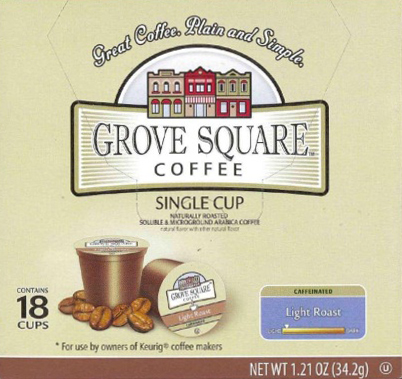
The company labeled three roasted products as ready for use in the popular Keurig brewing machines. It however didn’t state explicitly that the pods were filled with instant or soluble coffee. Instead placing beans on the package which lawyers argued provided the impression that the coffee was in a bean or grounded state.

Instant coffee dissolves when water is added which contrasts with brewing of beans which requires a filter to separate the liquid from the ground coffee beans. In the factory, although the process to create instant involves more manufacturing steps it generally sells for less than whole beans. That’s because the process of creating instant coffee usually starts with imperfect cheaper beans.

Keurig cups or Kcups come in many different coffee origins including low price point to luxury Jamaica Blue Mountain.

“Defendants have agreed to create a $25 million settlement fund, which, after deducting attorneys’ fees, costs and expenses, administrative expenses, and service awards, will be used to pay Class Members who submit valid Claim Forms,” stated a release on the matter.

Class action members will receive a set amount per claim form. Consumers who purchased in Alabama will receive up to $100 per claim; New York up to $275 per claim; and US$25 for California, Illinois, New Jersey, North Carolina, South Carolina, and Tennessee.


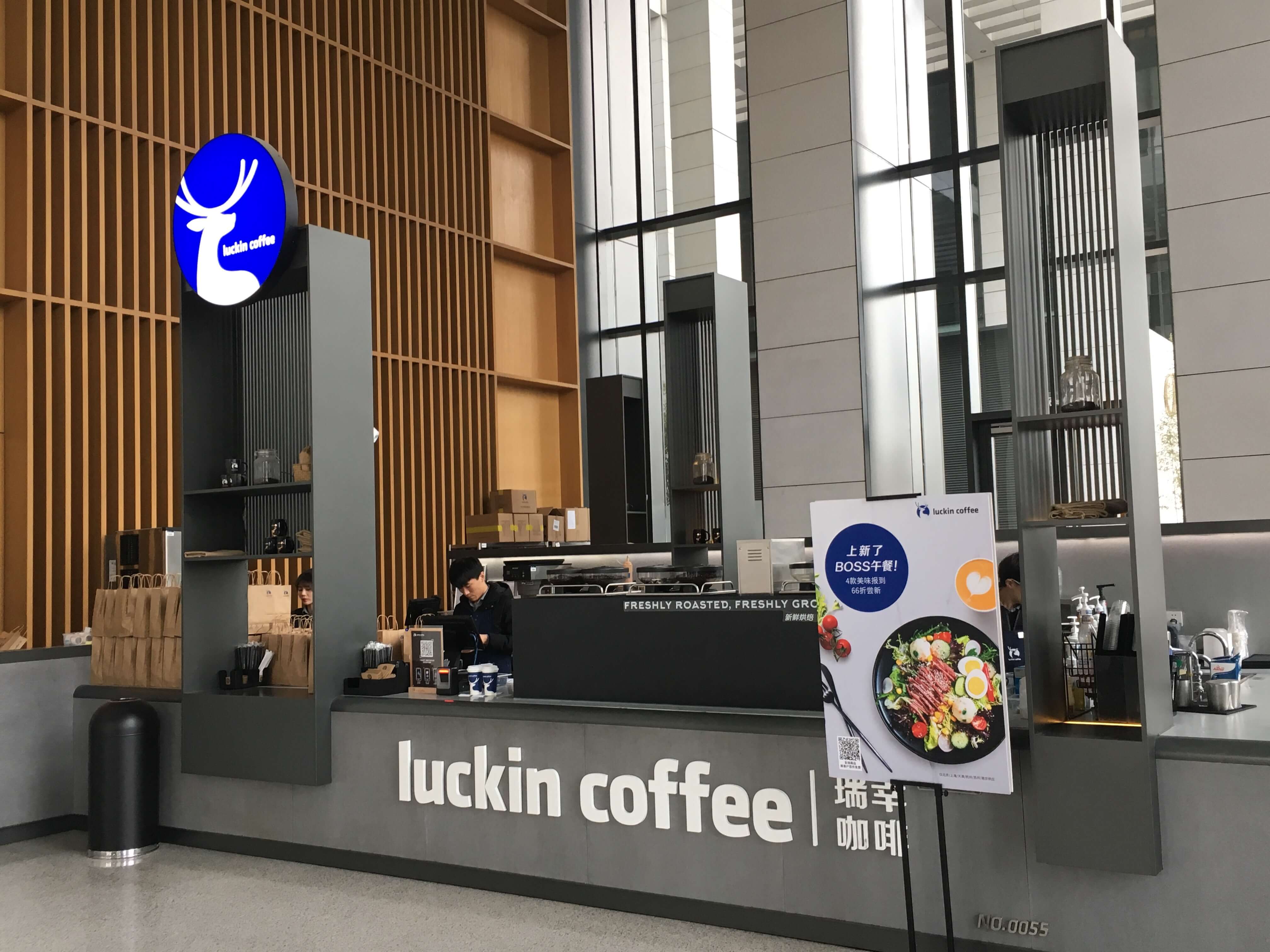
Luckin Coffee stores overtake Starbucks in China and stock jumps to all time high

5c6296b072d5a
photo: EqualOcean

Luckin Coffee (NASDAQ: LK), traded at all time highs on Monday as the stock continues to steam ahead in tandem with the growth of its store count now surpassing Starbucks in China.

Luckin is now the largest coffee chain in China: As context, Luckin took two years from its inception to overtake the 41,00  store count of Starbucks (NASDAQ: SBUX) which took two-decades to build out. The store count for both companies are changing literally by the day

The stock hit US$36 on December 23, up from a low of US$13 in May, just a few days after its IPO. Analysts expect the company to earn US$2.1 billion in annual revenues by 2020 up from some US$743 million. Fuelling this growth are new store sales. Luckin Coffee formed in 2017 and listed this year, now operates 4,280 according to its website. This growth represents a more than 200 per cent rise year on year, at the time of this report.

Luckin’s prices its coffee noticeably lower than Starbucks. That results in Starbucks by default being set to serve wealthier customers. Starbucks lattes cost roughly US$4.30 a cup whereas “Luckin is way more affordable at $1.50,” according to a source in China.

Lets see how Luckin continues to grow the coffee culture in the traditionally tea drinking country.

The difference between Jablum, Island Blue and Wallenford


These three brands sell Jamaica Blue Mountain (JBM) coffee but over the years their stories were somewhat intertwined.

Things to know historically.

Jablum is the most known brand globally of JBM.

Wallenford is the oldest brand and was formerly the regulator of all JBM until Government split its regulatory from marketing functions in about the late 90s.

Island Blue is the newest but owns the largest non-blue mountain coffee lands.

Things to know about current ownership:

Wallenford was acquired by Canadian billionaire Michael Lee-Chin in 2013 and then in 2016 he also acquired Jablum.

IslandBlue was formerly called ‘Wallenford Blue’ but ceased paying royalties for the use of the name when Wallenford was acquired by Lee-Chin. Island Blue is owned by Jamaica Standard Products (JSP) which buys Jamaica Blue Mountain beans and brands it as Island Blue. JSP also separately operates the largest Jamaica High Mountain factory in the island. High Mountain coffee is farmed outside the Jamaica Blue Mountain region. Its High Mountain products are not branded as Island Blue.

Things to know about taste profile.

Wallenford and Jablum are both large JBM producers and now owned by a common company. Both brands share space and facilities now. It is not immediately clear whether all buying and roasting operations are amalgamated.  A general tip however is that Wallenford offers a chocolatey nutty and lemon almost wine taste profile while Jablum is light cocoa and at times hazelnut to vanilla.

Island Blue is more chocolatey with spice tones.

Rum coffee and lime

This cocktail creates a distinct blend of muscular and curved flavours that blend well together. It is great for personal philosophising or at gatherings.

jamaica coffee rum2

A shot of dark rum with smokey hints of coffee and zesty lime. But notes can be varied to one’s preference. The more aged the rum is the less coffee and lime required.

Preparation

One shot of rum, preferably aged in order to allow for a smooth finish with natural sophisticated notes. The more aged the rum the less coffee and lime is required.

Four beans per shot of rum. The beans require less than two minutes to begin to release tones in the drink. Preferably coffee from Jamaica to match the culture of the rum.

One slice of lime without squeezing. Place the lime within the drink. The lime will add zest but squeezing will add sourness to the mix.

Enjoy on the rocks or straight.

rum coffee bean

French press coffee back to earth

DSC_0029

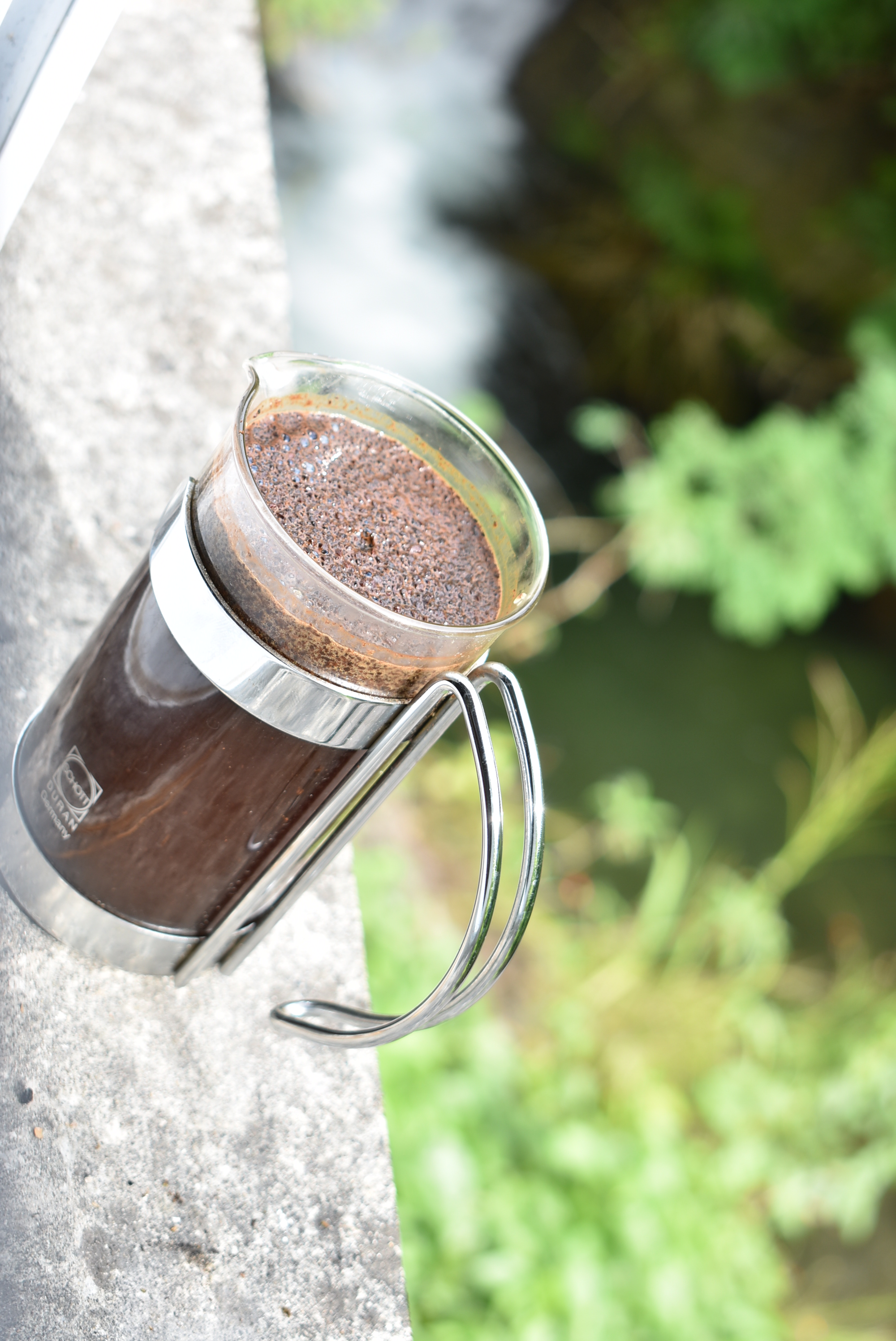
Brewing with a coffee-press, known also as a french press or coffee pot, will offer an earthy brew in contrast to a pour over or percolator. The press will keep the oils and the full body flavor in every cup. The pour-over, led by minimalist styling of a Chemex, on the other hand, will enhance the brightness and fruitiness of the brew as it filters out much of the full body.

DSC_0005

For many, the preferred method of brewing depends on the flavours one wants to enchance. Coffee geeks wants drinkers to consider the ratio of coffee to water. Research advises drinkers that the ideal is a 1-to-14 or 1-to-15 mix. They speak about the type of water, the type of kettle, the weight of the coffee, the time to allow the coffee to seep. Everything except the coffee.

For many however coffee isn’t math but rather art. And while quality products are nice amenities, it is quality coffee that’s the most important. There are many ways to know quality coffee, an easy method involves avoiding bottom-shelf supermarket beans in favour of premium single estate coffee.

Regardless, at the crack of dawn, quality coffee remains the most important ingredient even above the brewing method.

coffee press

Airport for Starbucks in Jamaica

wpid-iuvkoqfx-3601-5395.jpg

A private entity is now actively engaged in raising capital to carry the coffee chain Starbucks to Jamaica, it is understood.


The entity secured the services of an investment house to consider viable methods of raising funds, it is understood.

The players want to put the first location in Sangster International Airport in Montego Bay. There are over 4 million passengers that commute through the airport annually. Visitors to the airport can buy an array of coffees from the airport including from Cafe Blue, Jablum, Coffee Roasters Jamaica.

Earlier this year local media reported that Starbucks is considering entering the island along with other Caribbean territories in the medium term.

Who are the two private sector players seeking to acquire the
Starbucks franchise in Jamaica–They are both in hospitality sector, the
media says.

Of course local players are concerned about the implications of a coffee giant entering the land of luxury coffee. Brands that sell to Starbucks including Amber Estate and Wallenford.

Will Starbucks increase the coffee culture? Will Starbucks improve a
cup of local coffee? Or would it simply increase the price? Let’s see. Not all cafe players are upbeat about the prospects especially those who earn from the tourist market.