Jamaica Coffee prices set to fall

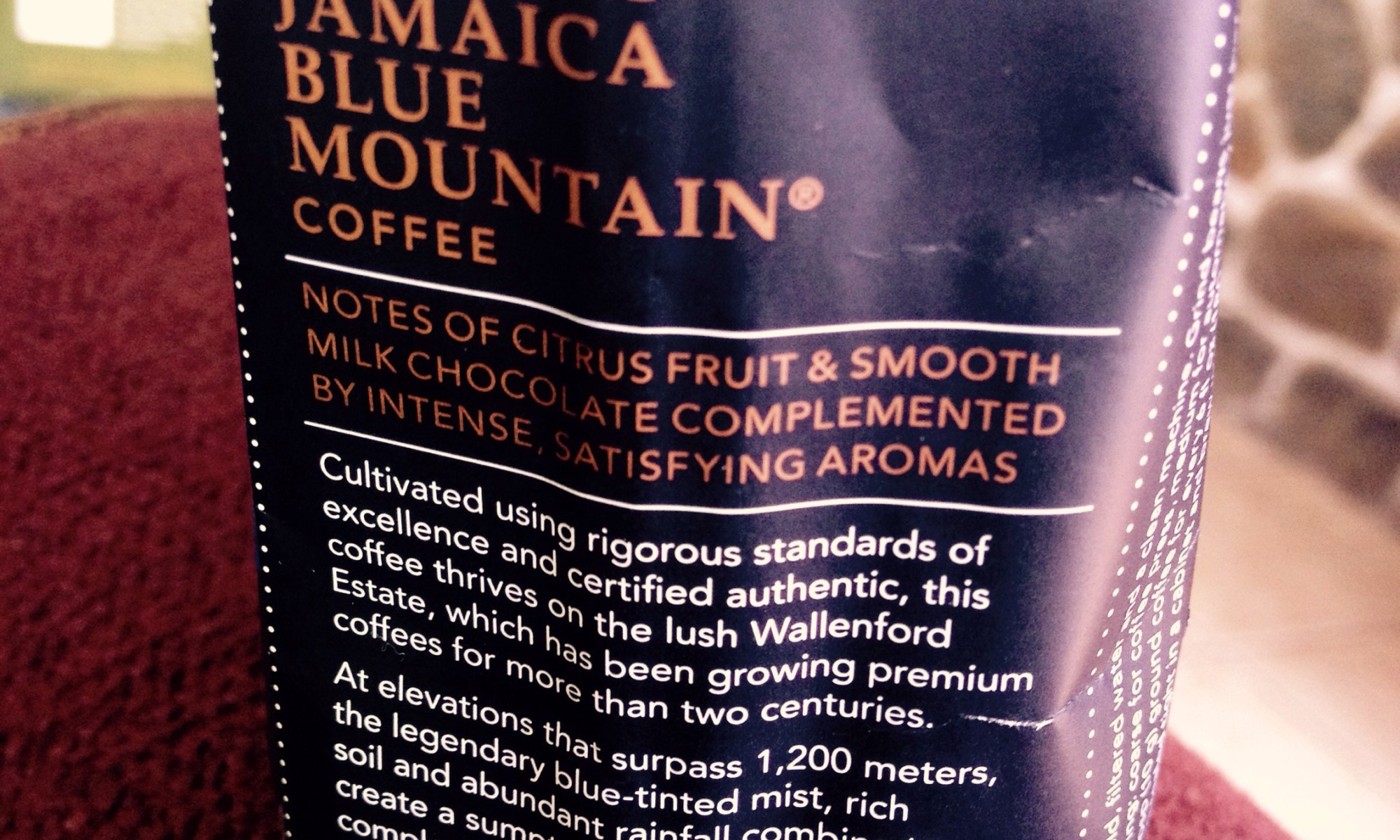
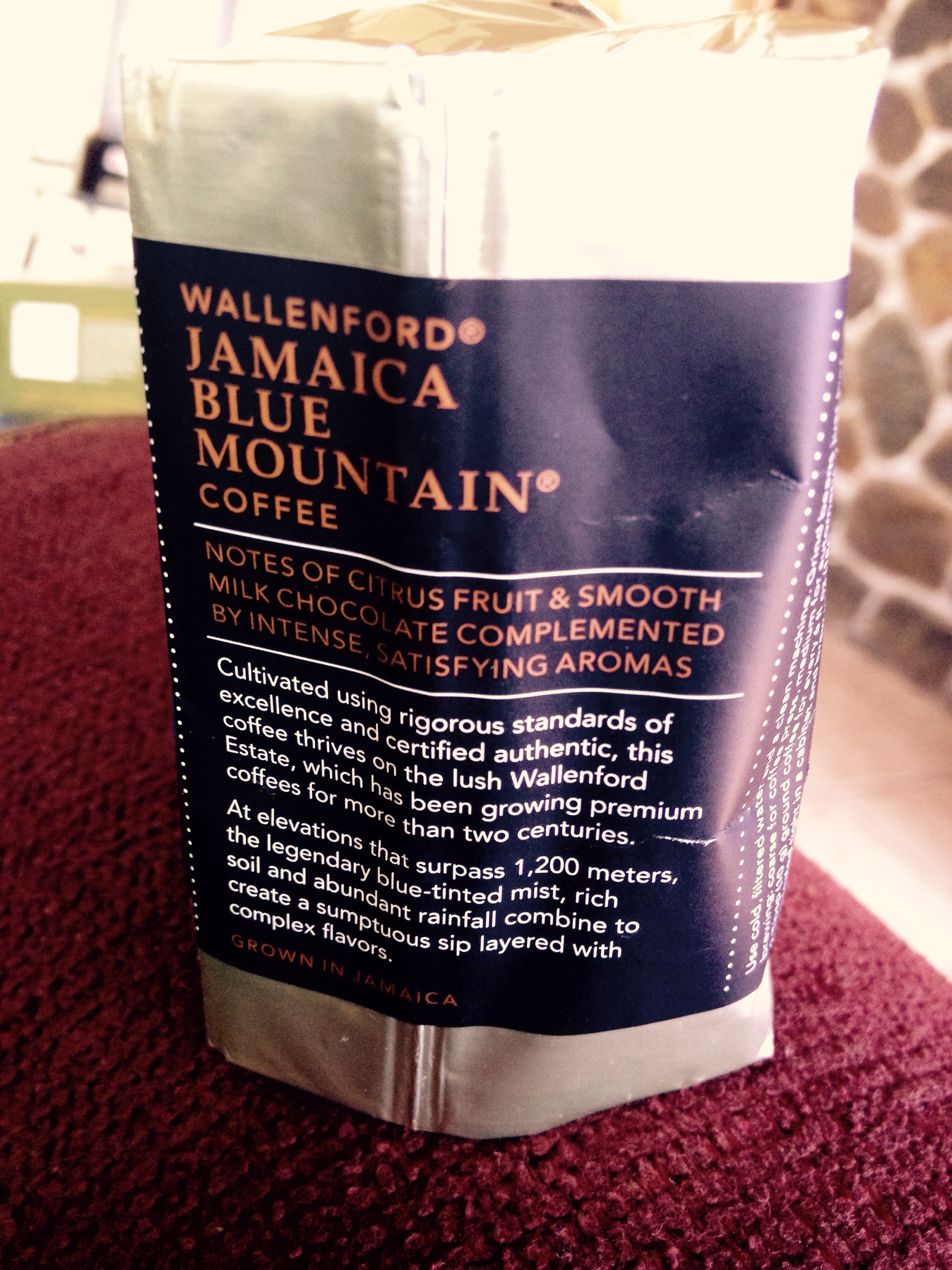
IMG_20160805_115156.jpgJamaica Blue Mountain coffee prices hit a high of roughly US$60 per pound this year for roasted beans amid increased demand and reduced supply.

Consumers however will find solace in knowing that producers are expecting prices to fall by as much as 25 per cent in the next two years. It will mean that the cheapest Jamaica Blue Mountain (JBM) in years whether from Jablum, Wallenford, Amber or any other brand.

The price fall is the result of an expected increased supply of beans on the market as farms return to full or near to full capacity. The increased supply will result in an overabundance on the market which will, at least in economic terms, reduce the price.

In anticipation of this price drop, brands including Jablum introduced a Premium Blend of coffee that incorporates 30 per cent JBM and 70 per cent regional balanced beans. Thus price conscious enthusiasts can buy a pound for as little as US$32 plus shipping.

Over the last few years, a confluence of factors affected the supply of the beans led by drought, fires, infertile farms and disease.

Over the last two years, roasters in Japan wanted the bulk of beans from Jamaica and were willing to pay anything for the luxury cup.

During that period, the price at the farm level jumped fivefold from US$20 to $100 per box of coffee as small farmers gained influence in price setting.
 

Salada Coffee complains of JBM prices

A respected local coffee brand SALADA Foods Jamaica Limited complained of Jamaica coffee price increases.

The increases slashed its gross margins by more than one-quarter, the company stated. It’s the latest processor to complain about the over 30 per cent price hike in one year, and 250 per cent hike over two years, towards $11,000 per box of coffee cherry. However the price rise is due to a severe supply shortage based on drought, disease, farm decay and now fire. Concurrently, large overseas buyers are demanding more coffee from Jamaica. On the micro-level farmers are demanding more per box due to the impact of currency depreciation on farm costs, and also the cost to protect the coffee against disease and theft. Two years ago processors paid roughly $3,000 for a box of coffee cherry to farmers.

“Profits continue to be adversely affected by the increases in price of coffee beans realised in the first quarter and the performance of its subsidiaries Mountain Peak Food Processors Ltd and Pimora Company Ltd,” stated Salada in a notice prefacing the financials signed jointly by Chairman Patrick Williams and Director Aubyn Hill. “The gross margin for the six months was 27.5 per cent, a reduction of 27 per cent when compared with the same period in the prior year. This resulted from the higher cost of coffee bean now being processed.”

Salada made $37-million profit before tax in the March quarter 2015 on $220 million in revenues, or 184 per cent higher profit year-on-year.

Just this week, large coffee processor Mavis Bank Coffee Factory Ltd makers of Jablum indicated that fire damaged at least $200 million worth of farms thus far. Last week US-based Marley Coffee cautioned its investors that the supply shortage of Jamaica Blue Mountain coffee could affect its sales going forward.

In recent times, Salada has faced increased local coffee competition in both the instant and brewed markets. Salada in its previous quarter hinted that it would seek to launch new coffee products this year. However, its latest March financials failed to add information on product development.

Last year, large coffee company Mavis Bank Coffee Factory Ltd launched True Brew, an instant coffee. It also launched Jablum Caribbean Blend, a mixture of beans from Jamaica and the Caribbean. In 2012, it also launched a high-end product called Jablum Gold.

Jamaica Coffee factory starts 4 day work week

Jamaica Coffee shortage continues with a major producer resorting to  4 day work week, jamaicamocha understands.
“Due to severe shortage of coffee,” the notice started, workers will have the choice of a day off.
Annual coffee exports once US$30 million prior to the Western financial crisis nearly 7 years earlier are now half that level.

Jamaica Coffee shortage continues with a major producer resorting to  4 day work week, jamaicamocha understands.
“Due to severe shortage of coffee,” the notice started, workers will have the choice of a day off.
Annual coffee exports once US$30 million prior to the Western financial crisis nearly 7 years earlier are now half that level.

Coffee drought in jamaica rasta!

Coffee shortage continues to affect the availability of Jamaica Blue Mountain JBM beans. Its based on a confluence of factors now led by drought.
Less beans resulted in price increases of roughly 40% in real terms to consumers. Interestingly small farmers benefit with box prices of coffee cherries inching past J$8,000 (U$70).
” I hear they paying up to J$9,500 a box,” a source indicated.
To consumers it resulted in a shortage of favourite brands.
For instance, the beans of large supplier Jablum remain out of stock–going three months now or since November. “We won’t have brand before April,” another source said this week.

Twymans –started restricting sales.

Amber–only has ground available but peaberry beans are still available in its ‘Supreme’ brand

Island Blue –beans are once again available in limited supplies

Wallenford Estate–has beans

Cafe Blue —beans available

Coffee Traders–beans available

CRJ –beans and kcups available.

image

image

Salada brewing new products

Salada Foods, a large coffee maker in Jamaica plans to launch new coffee products this year, according to its annual report.

The move comes within the context of increased rival coffee competition in both the instant and brewed segments.

“We strongly believe that creating new value for our customers is imperative to the success of the company, and with this in mind, in the upcoming year Salada will re-energise and revitalise our coffee category, providing our customers with new and improved products in the market space during the year,” stated the then Acting Managing Director Keshia Nelson-Brown in a statement accompanying the annual report 2014.

The annual report avoided disclosing additional information on the products. In late December, Salada advised that Jerome Miles would “replace” Nelson-Brown and commence work on January 5, 2015 as general manager.

Salada Foods, a large coffee maker in Jamaica plans to launch new coffee products this year, according to its annual report.

The move comes within the context of increased rival coffee competition in both the instant and brewed segments.

“We strongly believe that creating new value for our customers is imperative to the success of the company, and with this in mind, in the upcoming year Salada will re-energise and revitalise our coffee category, providing our customers with new and improved products in the market space during the year,” stated the then Acting Managing Director Keshia Nelson-Brown in a statement accompanying the annual report 2014.

The annual report avoided disclosing additional information on the products. In late December, Salada advised that Jerome Miles would “replace” Nelson-Brown and commence work on January 5, 2015 as general manager.

Wallenford Estate supplies Starbucks for 2015

Wallenford recently won the bid to supply global coffee chain Starbucks with single estate Jamaica Blue Mountain coffee in Japan stores for 2015.
It means that Starbucks will sell Wallenford single estate coffee exclusively in Japan.
Concurrently, Jamaicamocha understands that jamaica coffee from Amber Estate will continue to be sold in USA.

It’s Great news for Wallenford which last sold coffee to Starbucks about five years ago.

/home/wpcom/public_html/wp-content/blogs.dir/7b3/43566713/files/2015/01/img_0495-2.jpg

Coffee commodity prices rocket 60% since Ukraine Crisis

coffee chart

Good coffee costs up to US$8 a cup in Eastern Europe. Among the most expensive globally. So the fact that Russians and Ukrainians flock for bargain  luxury coffee deals online is logical.

Nothing like the chocolatey aroma and lemon hints aroma of a balanced Blue Mountain cup to warm the bitter winter. Even better when a cup effectively costs US$3 because it eliminated the middle-man.

But what becomes illogical is enjoying coffee in conflict.

Putin’s intervention influenced a spike in  global oil prices–the most traded commodity. It increased some 10 per cent February to March to US$104 a barrel (amid fears oil rich Russia would plug gas and oil pipelines running through Ukraine).

However the second most traded commodity–coffee also saw a rise during the same period (February to March) albeit a much higher spike up nearly 2/3rds from  120 to 196.  Its blamed on drought in Brazil among the largest coffee producing nations.

It however is happening amid the heightened Ukraine conflict. It will no doubt result in a more expensive cup of coffee for this region.

Despite this impact–the true tragedy is death and conflict and not the cost of a caffeine fix.

Jamaica coffee lower yields

Jamaica Agriculture minister roger Clarke wants coffee farmers in the jamaica blue mountain and high mountain regions of Jamaica to hike coffee yields amidst a record fall off in production.
“What would u say is the average yield per acre of coffee?” Asked the minister to coffee experts and large farmers in February 2014.
Head of amber estate Dr Lyn which recently supplied Starbucks responded to the agreement of other farmers: ” would say 30-40 boxes per acre.”
Contextually the industry in the past produced multiples.
“I would say a profitable farm would produce 100 boxes an acre,” lynx added.

20140304-121748.jpg

Jamaica Blue Mountain farmers are rock stars

Demand and supply actually turned coffee farmers into rock stars for the ensuing crop. Last year no one wanted to farm now younger folk are jumping on their grandparents land to til the soil for coffee production.

–“There is a security guard at [large supermarket], I now see him up in the hills at his family farm…I haven’t seen him in years,” said a key coffee source in conversation with Jamaicamocha.

This year experts–literally in the field–predict a 30 per cent dip in coffee production in the luxurious soils of the Blue Mountains. Of course good old economics indicates that whenever supply is reduced and demand remains price will rise.

–“Coffee farmers are getting the best rates ever. But the crop is down to nothing,” said an operations manager at one of the largest processors in the island.

Coffee farmers are getting flocked by processors begging to sell them beans and will pay up front and at inflated prices. We recon at least 20 per cent above market in order to at compensate for local currency depreciation year on year.

Its significant remember that total coffee exports dropped from US$30 million annually before the Western Financial crisis to some US$14 million in 2012 (latest figures indicate). During that period farmers were getting roughly the same per box of cherry at about US25. However inflation and depreciation cut that away to about US$15 a box over five years.

coffee plants

–“Him beg me to sell him coffee,” said a respected farmer who opted for anonymity in reference to a large processor trying to secure future supply from his crop.

–“You want peaberries. You better take what you get because we not sure if there will be any coffee soon,” a major distributor told me via a purchase.

The coffee farmer has a hoe for a guitar and is flocked by businessmen. Now he finally has the financial incentive to make the best legal drug in the world.