Starbucks imposes stricter dress code under green apron

AP News – Starbucks is imposing new limits on what its baristas can wear under their green aprons.

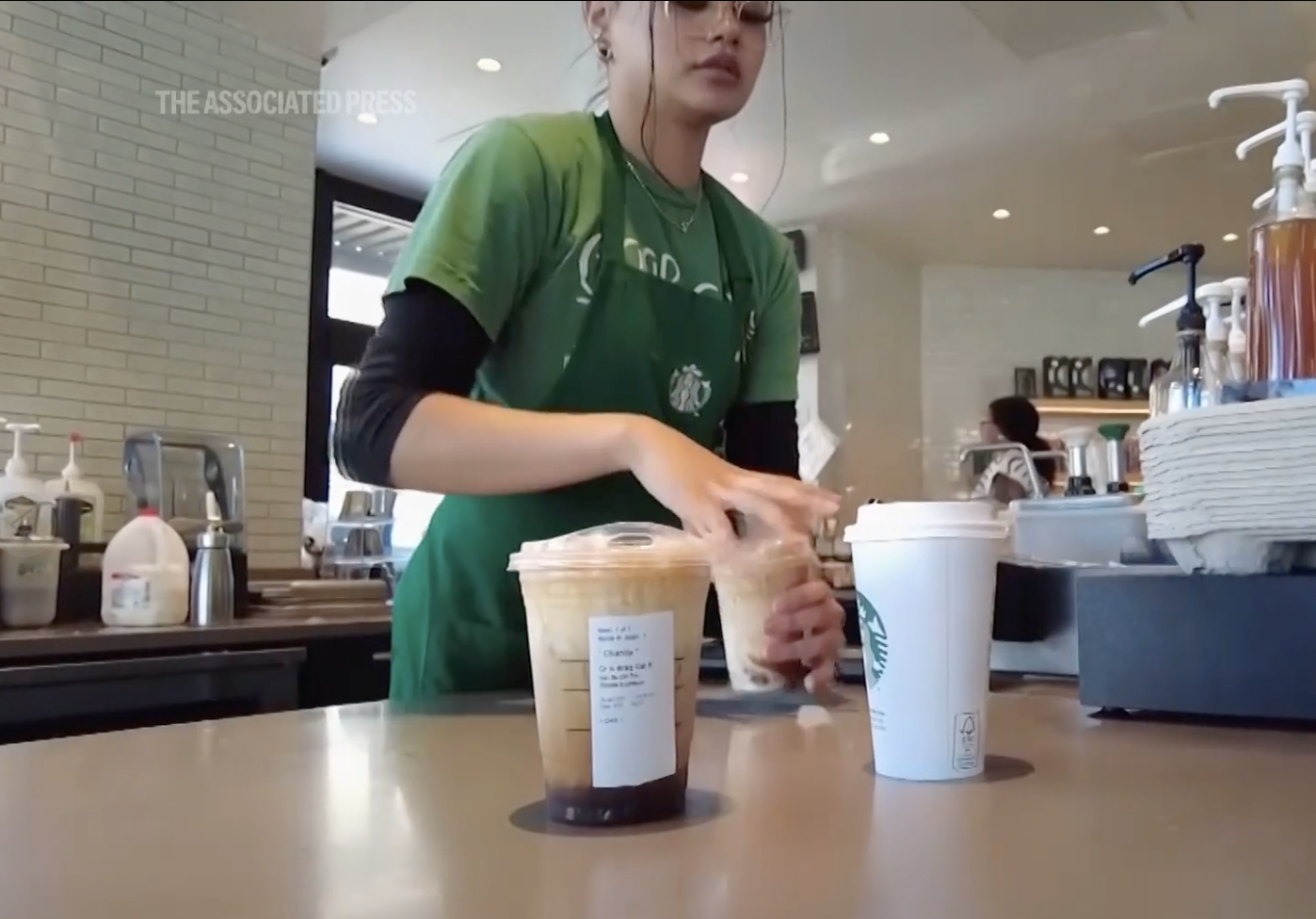
Starting May 12, employees will be required to wear a solid black shirt and khaki, black or blue denim bottoms. Shirts can be short- or long-sleeved and collared or collarless, the company said in a memo released Monday. Starbucks will give each employee two free T-shirts.

Starbucks said the new dress code will make its green aprons stand out and create a sense of familiarity for customers. It comes as the company is trying to reestablish a warmer, more welcoming experience in its store.

“By updating our dress code, we can deliver a more consistent coffeehouse experience that will also bring simpler and clearer guidance to our partners, which means they can focus on what matters most, crafting great beverages and fostering connections with customers,” the company said in a post on its website.

But some workers protested the move. Starbucks Workers United, a labor group that has unionized workers at more than 550 of Starbucks’ 10,000 company-owned U.S. stores, said it told the company last week that it has already negotiated a tentative dress code agreement during bargaining sessions with the company. The union said it opposes any changes to the dress code until bargaining concludes and a labor agreement is reached.
Jasmine Leli, a Starbucks barista and union bargaining delegate, said the company should be focusing on things that improve store operations, like appropriately staffing stores and giving workers a guaranteed number of hours.

“Instead of addressing the most pressing issues baristas have been raising for years, Starbucks is prioritizing a limiting dress code that won’t improve the company’s operation,” Leli said in a statement provided by the union. “They’re forcing baristas to pay for new clothes when we’re struggling as it is on Starbucks wages and without guaranteed hours.”
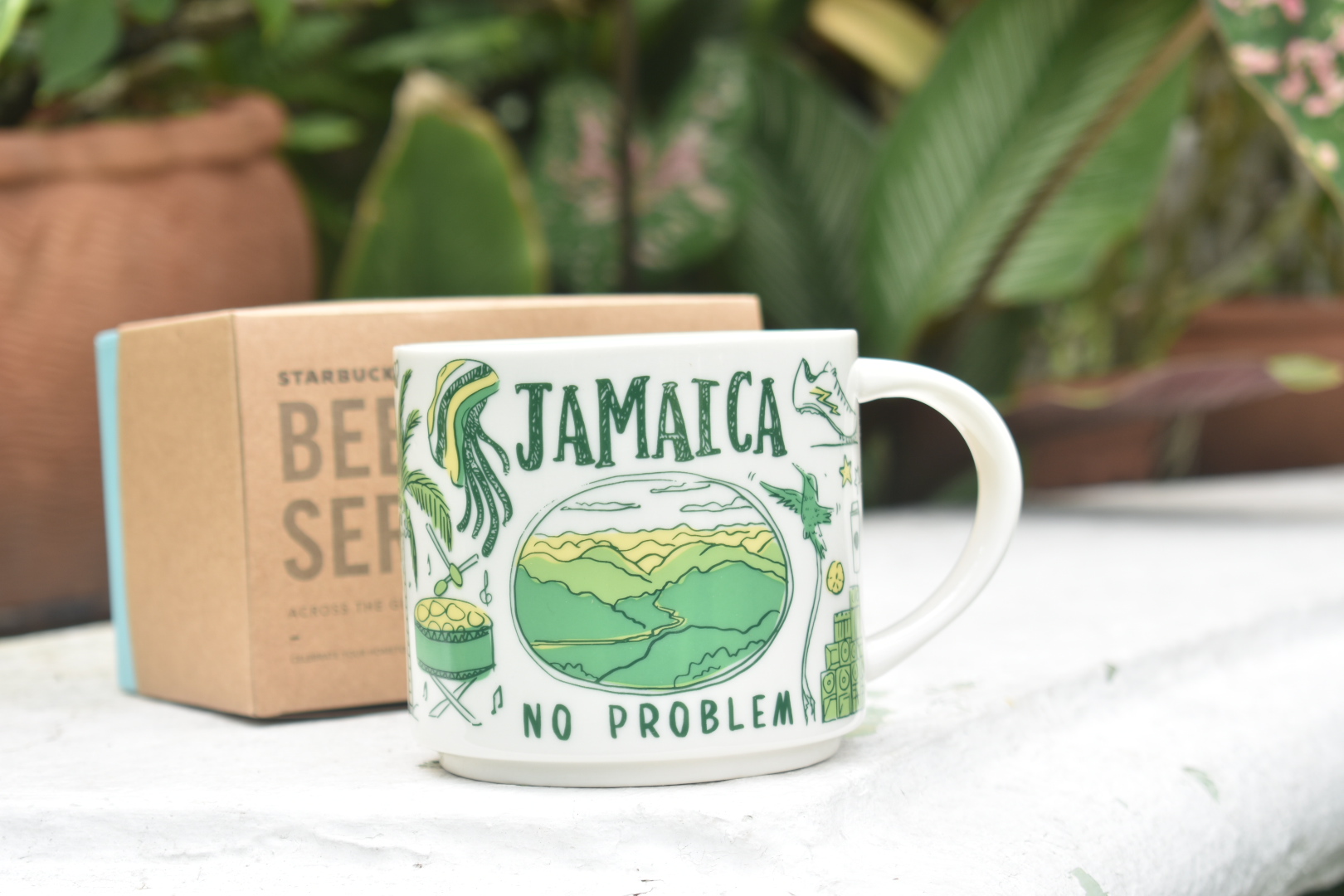
Starbucks Been There Series – Jamaica. Click to learn more.

END

A double espresso and sex improves your grind, study says

Study Finds Coffee May Help Men Achieve Longer Erections

Recent studies suggest that coffee consumption might improve erectile function in men, leading to longer-lasting erections. Research conducted by the University of Texas Health Science Center found that men who consume the equivalent of two to three cups of coffee daily are less likely to experience erectile dysfunction (ED). The caffeine in coffee helps relax the arteries and smooth muscle tissue within the penis, enhancing blood flow. Improved blood circulation is a critical factor in achieving and maintaining an erection, which explains why moderate coffee consumption could offer benefits in the bedroom.

According to the study, men who consumed between 85 and 170 milligrams of caffeine daily experienced a 42% lower chance of erectile dysfunction compared to those who consumed little to no caffeine. Even men who consumed slightly more (up to 170-303 milligrams per day) showed a 39% reduction in ED risk. Caffeine’s ability to increase blood flow through vasodilation, coupled with its stimulation of the nervous system, can improve erectile performance, according to experts.

Other research also supports this link between caffeine and improved sexual function. In a 2015 study published in PLoS One, researchers found that men who consumed moderate amounts of caffeine each day were less likely to report issues with erectile function, regardless of their weight or age.

While the studies are promising, it’s important to note that caffeine is not a substitute for medically recommended treatments for erectile dysfunction. Lifestyle factors, including overall cardiovascular health and stress levels, also play significant roles in sexual performance.

The findings offer new insight into how a daily cup of coffee may not just boost energy but also improve men’s sexual health. However, moderation is key, as excessive caffeine can lead to other health complications, such as anxiety and heart issues.

Port Strike Brewing Coffee Crisis

NEW YORK, Oct 1 (Reuters) – The unloading of hundreds of containers with imported coffee beans at the United States’ East Coast ports has stopped due to the strike of portworkers, aggravating the tight supply in the largest coffee-drinking nation.

The delays in delivery of imported coffee to U.S. roasters and coffee chains could further increase bean prices which hit multi-year highs last week due to limited supply, and raise costs for companies and consumers.

ship loading at Santos port in Sao Paulo, Brazil, seen from above

Prices for coffee held in U.S. warehouses are already rising due to the delays, said one coffee trader with containers stuck in ports.

“We have some 40 containers waiting to be moved,” said the head trader of one of the largest coffee importers in the U.S., which supplies roasters and cafeterias nationwide.

“The owners of the containers already told us they will charge additional fees if the boxes take longer than normal to be returned,” he added, asking not to be named because he was not authorized to speak publicly on the issue.

portworkers strike entered its second day on Wednesday, halting the movement of containers through ports from Maine to Texas, affecting shipments of hundreds of products including food.

Some coffee sellers have stopped offering spot deals as they wait to see how the strike develops, said a second trader.

U.S. coffee stocks are at a low historical level, the traders said, since importers have been avoiding high inventories to reduce storage costs during a period of high interest rates. That situation makes the port problems worse.

“Some regions (in the U.S.) might have a supply squeeze,” said the first trader.

Industry participants believe, however, that the labor issue could be quickly solved because the magnitude of the problem demands attention.

“We source coffee from 35 different countries. If this (strike) goes on for a long time, everybody will be impacted,” said Will Ford, president of operations at Arkansas-based Westrock Coffee Company (WEST.O).

Starbucks spends millions on music

Starbucks’ relationship with music has evolved significantly from its music beginnings in the 1990s, where jazz and blues dominated the ambiance of its stores, to an expansive multi-genre offering by 2024.

That said, where’s all the rap and hard rock?

Howard Schultz in Starbucks

Initially, the coffee chain’s music program was designed to complement the ‘experience of coffee’, creating a soothing and unique atmosphere in stores through jazz and blues compilations. Customers were drawn to these collections, which were available for purchase on CD, reflecting the physical distribution model of the time. This partnership between coffee and music was a natural extension of Starbucks’ mission to create not just a place to buy coffee but a community space for relaxation and cultural enrichment.

By 2024, Starbucks had expanded its music offering far beyond these original genres, embracing multiple streaming options through platforms like Spotify. A quick look at Starbucks’ official Spotify playlists shows a wide range of genres including indie, pop, classical, and world music, reflecting the diverse tastes of its global customer base. This shift from in-store CD sales to streaming platforms marked a dramatic transformation in how Starbucks distributed music, making it more accessible to a broader audience through a platform that many users engage with regularly.

Starbucks 1999 annual report page on music
Starbucks speaks about music on a page from the 1999 annual report

Despite the growth in genres, rap and modern rock are largely absent from Starbucks’ playlists. While hip-hop and R&B are represented, rap music’s heavier lyrical themes seem less aligned with the relaxed, welcoming atmosphere Starbucks aims to create in its stores. Similarly, contemporary rock, especially the more energetic or rebellious varieties, is also notably missing. Instead, Starbucks appears to favor genres that maintain a calm and approachable environment, aligning with its brand identity. The decision to omit these genres is likely strategic, focusing on maintaining a consistent in-store experience that appeals to a broad customer base while avoiding more polarizing musical styles.

As of today, Starbucks operates over 36,000 stores globally, with a significant proportion of these playing music throughout the day to enhance the customer experience. The cost of music in such a widespread setting is substantial. Businesses like Starbucks typically pay licensing fees to organizations such as ASCAP and BMI to legally play music in their stores. For a large corporation like Starbucks, these fees can range from $200 to $2,000 per store annually. Extrapolating from Starbucks’ global store count, the company could be paying upwards of $7 million to $72 million per year on music licensing alone, depending on the agreements and country-specific regulations. That’s our estimates based on known factors of fees and store count.

This transformation showcases Starbucks’ commitment to enhancing the customer experience and keeping pace with technological advancements, extending the reach of its curated musical experience well beyond its physical stores.

Click to buy and get US$5 rebate with order.

Stovetop espresso (MokaPot) sucks unless you do this hack

Few brewing methods can match the ceremony of a stovetop espresso. It’s like loading a musket rifle with coffee stuffed inside waiting to fire. There is purpose to the ritual, the twisting of the raw steel parts into separate segments. Then putting them back together with water in the bottom and coffee at top.

Unfortunately the grace tends to end there. Popular methods recommend turning off the stove fire when it starts to spew but that’s usually not enough to avoid the bad dregs entering the pot. As a result stovetops are infamous for making bitter, toasty cigars tones that require sweetened milk. Why does it do this? The makers have the same problem of percolators, they over extract coffee.

The SOLUTION is simple, use HALF the water you’d normally use. That will avoid the over-extraction. In other words you will avoid mixing good coffee with the dregs.

Another solution is to pour water to the normal full level, then SHADOW the stove holding your mug. Remove the pot from the fire the MOMENT it reaches half full. Then pour quickly into your mug. Anything beyond that results in dregs entering into the vessel.

These methods are a simple solution that makes coffee taste as complex as any other brewing method. Cheers to great coffee.

Jamaica to benefit from Coffee futures

Coffee prices referenced on the commodities market are trading near two year highs.

Prices are up 50 per cent since lows of 2019 on news of an expected drop in production going forward, while at the same time met with increased demand from developed nations for coffee.

“World exports are expected down 4.7 million bags to 115.4 million primarily due to lower shipments from Brazil and Honduras,” stated the Coffee: World Markets and Tradereport published this month by the US Department of Agriculture. “With global consumption forecast at a record 166.4 million bags, ending inventories are expected to slip 400,000 bags to 35.0 million.

The report stated that coffee production for 2019/20 is forecast 5.3 million bags (60 kilogrammes) lower than the previous year to 169.3 million, primarily due to Brazil’s Arabica trees entering the off-year of the biennial production cycle.

Arabica coffee futures are now at US$1.31 from just shy of the US$1.38 52 week high but far from the low of US$0.86. It follows on a series of measures which affected demand and supply.

It matters, as the commodity futures give a guide to the directional flow of pricing of most coffees, even those that do not trade on the exchange like luxury Jamaica Blue Mountain. The entire crop of JBM can fit into less than a day’s production in Colombia, so the island’s crop does not affect demand or supply. Buyers in Japan however which accounts for some 70 per cent of total sales of JBM beans will be less likely to pay a premium for JBM if coffee demand overall is down.

“The Japanese are buying again but the prices are not that great,” said a Spokesman for a large farming brand in the Jamaica Blue Mountains.

The data for this year’s total exports of Jamaica Blue Mountain are not yet disclosed.

China continues to grow its consumption with the growth of Luckin Coffee formed in 2017 and listed this year. It continues to add several stores a day now at some 4,280 up over 200 per cent year on year, at the time of this report. It is now the largest chain in China surpassing Starbucks which operates some 4,100 sores in China.


dav

Rum coffee and lime

This cocktail creates a distinct blend of muscular and curved flavours that blend well together. It is great for personal philosophising or at gatherings.

jamaica coffee rum2

A shot of dark rum with smokey hints of coffee and zesty lime. But notes can be varied to one’s preference. The more aged the rum is the less coffee and lime required.

Preparation

One shot of rum, preferably aged in order to allow for a smooth finish with natural sophisticated notes. The more aged the rum the less coffee and lime is required.

Four beans per shot of rum. The beans require less than two minutes to begin to release tones in the drink. Preferably coffee from Jamaica to match the culture of the rum.

One slice of lime without squeezing. Place the lime within the drink. The lime will add zest but squeezing will add sourness to the mix.

Enjoy on the rocks or straight.

rum coffee bean

Dunkin Donuts ice coffee delimina

Dunkin Donuts in a move to reduce its waste footprint will dissuade customers from what it turns double coupling when asking for iced coffee drinks.

Dunkin serves iced coffee in tall plastic cups. But over the years a practice has developed in which customers also request styrofoam cups to insulate the coldness of the drink.

It’s a weird oddity that actually doubles that customers waste and Dunkin actually launched a YouTube campaign to dissuade customers from the practice.

Check out @DunkinBoston’s Tweet: https://twitter.com/DunkinBoston/status/1195456516469465088

Cold drinks account for half Starbucks sales

Starbucks CEO Kevin Johnson said that sales of cold coffee and teas now account for about half of the company’s beverage sales. Younger customers in particular are buying those drinks throughout the day, he said, not just in the morning, he said.

“We are being very focused on the things that we know matter the most,” Mr. Johnson said in an interview.

Best time to visit cafes in Liguanea, Kingston

Coffee lovers in the Liguanea coffee zone of Kingston need to know the best time to get a cup of coffee.

The three most popular cafes in Liguanea actually have different high and low periods and its not necessarily what you think.
The high periods are 11am at Cafe Blue, 11 at Cannonball and noon at Starbucks, that’s according to Google spy information.
It means that if you like people watching go to Cafe Blue at 11 and make your rounds to other cafes by noon.
Conversely, the best time to run in for a coffee without long lines would be 6am Starbucks, 8 am at Cannonball and 7pm at Cafe Blue.
So for all those Airbnb visitors with nothing to do mid day or players with the perfect pick-up lines avoid the mornings.cafes high and low periods 2019