www.wsj.com/real-estate/real-estate-climate-risk-wealthy-homeowners-442abec9
100M CEOs Starbucks came close
War and weather impact on coffee production


Every summer, the Sahara Dust drifts across Jamaica’s skyline, affecting this luxury coffee-growing island, already vulnerable to violent weather.
For locals, the sight of the dust reinforces that summer is here! Remember, all weather involves the transfer of heat. If desert dust is visible, what about the thousands of missiles fired in recent years across the Middle East, Eastern Europe, and parts of Africa?
One missile can destroy an entire apartment complex and some can destroy entire blocks. Could they be contributing to atmospheric heating? The heat and carbon emissions from these missile strikes might be making their way toward the Caribbean. While no scientific evidence supports this theory yet, it does raise interesting questions.
The Jamaican coffee industry is facing growing challenges due to increasingly unpredictable weather patterns, including heavier rainfall and prolonged droughts. Recently, the industry reported losses of US$3.5 million—over 15% of its annual crop. Experts point to intensified heat transfer in the atmosphere, potentially worsened by global conflicts, as a contributing factor. This is driving up global coffee prices, mirroring the impacts already felt in Jamaica’s Blue Mountain Coffee sector.
On Monday, Nasdaq reported that coffee commodity prices—both Arabica and Robusta—rose by 1.9% and 1.6%, respectively, for October 28. This rally is largely attributed to weather disruptions affecting major coffee-growing regions. Extreme conditions, such as excessive rain and prolonged droughts, are hampering harvests. Brazil, the world’s largest coffee producer, is grappling with inconsistent weather, driving prices higher. Similarly, reports from Colombia highlight concerns over unstable growing conditions.
Port Strike Brewing Coffee Crisis
NEW YORK, Oct 1 (Reuters) – The unloading of hundreds of containers with imported coffee beans at the United States’ East Coast ports has stopped due to the strike of portworkers, aggravating the tight supply in the largest coffee-drinking nation.
The delays in delivery of imported coffee to U.S. roasters and coffee chains could further increase bean prices which hit multi-year highs last week due to limited supply, and raise costs for companies and consumers.

Prices for coffee held in U.S. warehouses are already rising due to the delays, said one coffee trader with containers stuck in ports.
“We have some 40 containers waiting to be moved,” said the head trader of one of the largest coffee importers in the U.S., which supplies roasters and cafeterias nationwide.
“The owners of the containers already told us they will charge additional fees if the boxes take longer than normal to be returned,” he added, asking not to be named because he was not authorized to speak publicly on the issue.
A portworkers strike entered its second day on Wednesday, halting the movement of containers through ports from Maine to Texas, affecting shipments of hundreds of products including food.
Some coffee sellers have stopped offering spot deals as they wait to see how the strike develops, said a second trader.
U.S. coffee stocks are at a low historical level, the traders said, since importers have been avoiding high inventories to reduce storage costs during a period of high interest rates. That situation makes the port problems worse.
“Some regions (in the U.S.) might have a supply squeeze,” said the first trader.
Industry participants believe, however, that the labor issue could be quickly solved because the magnitude of the problem demands attention.
“We source coffee from 35 different countries. If this (strike) goes on for a long time, everybody will be impacted,” said Will Ford, president of operations at Arkansas-based Westrock Coffee Company (WEST.O).
Starbucks spends millions on music
Starbucks’ relationship with music has evolved significantly from its music beginnings in the 1990s, where jazz and blues dominated the ambiance of its stores, to an expansive multi-genre offering by 2024.
That said, where’s all the rap and hard rock?

Initially, the coffee chain’s music program was designed to complement the ‘experience of coffee’, creating a soothing and unique atmosphere in stores through jazz and blues compilations. Customers were drawn to these collections, which were available for purchase on CD, reflecting the physical distribution model of the time. This partnership between coffee and music was a natural extension of Starbucks’ mission to create not just a place to buy coffee but a community space for relaxation and cultural enrichment.
By 2024, Starbucks had expanded its music offering far beyond these original genres, embracing multiple streaming options through platforms like Spotify. A quick look at Starbucks’ official Spotify playlists shows a wide range of genres including indie, pop, classical, and world music, reflecting the diverse tastes of its global customer base. This shift from in-store CD sales to streaming platforms marked a dramatic transformation in how Starbucks distributed music, making it more accessible to a broader audience through a platform that many users engage with regularly.

Despite the growth in genres, rap and modern rock are largely absent from Starbucks’ playlists. While hip-hop and R&B are represented, rap music’s heavier lyrical themes seem less aligned with the relaxed, welcoming atmosphere Starbucks aims to create in its stores. Similarly, contemporary rock, especially the more energetic or rebellious varieties, is also notably missing. Instead, Starbucks appears to favor genres that maintain a calm and approachable environment, aligning with its brand identity. The decision to omit these genres is likely strategic, focusing on maintaining a consistent in-store experience that appeals to a broad customer base while avoiding more polarizing musical styles.
As of today, Starbucks operates over 36,000 stores globally, with a significant proportion of these playing music throughout the day to enhance the customer experience. The cost of music in such a widespread setting is substantial. Businesses like Starbucks typically pay licensing fees to organizations such as ASCAP and BMI to legally play music in their stores. For a large corporation like Starbucks, these fees can range from $200 to $2,000 per store annually. Extrapolating from Starbucks’ global store count, the company could be paying upwards of $7 million to $72 million per year on music licensing alone, depending on the agreements and country-specific regulations. That’s our estimates based on known factors of fees and store count.
This transformation showcases Starbucks’ commitment to enhancing the customer experience and keeping pace with technological advancements, extending the reach of its curated musical experience well beyond its physical stores.

Stovetop espresso (MokaPot) sucks unless you do this hack
Few brewing methods can match the ceremony of a stovetop espresso. It’s like loading a musket rifle with coffee stuffed inside waiting to fire. There is purpose to the ritual, the twisting of the raw steel parts into separate segments. Then putting them back together with water in the bottom and coffee at top.
Unfortunately the grace tends to end there. Popular methods recommend turning off the stove fire when it starts to spew but that’s usually not enough to avoid the bad dregs entering the pot. As a result stovetops are infamous for making bitter, toasty cigars tones that require sweetened milk. Why does it do this? The makers have the same problem of percolators, they over extract coffee.
The SOLUTION is simple, use HALF the water you’d normally use. That will avoid the over-extraction. In other words you will avoid mixing good coffee with the dregs.
Another solution is to pour water to the normal full level, then SHADOW the stove holding your mug. Remove the pot from the fire the MOMENT it reaches half full. Then pour quickly into your mug. Anything beyond that results in dregs entering into the vessel.
These methods are a simple solution that makes coffee taste as complex as any other brewing method. Cheers to great coffee.


Rum coffee and lime
This cocktail creates a distinct blend of muscular and curved flavours that blend well together. It is great for personal philosophising or at gatherings.

A shot of dark rum with smokey hints of coffee and zesty lime. But notes can be varied to one’s preference. The more aged the rum is the less coffee and lime required.
Preparation
One shot of rum, preferably aged in order to allow for a smooth finish with natural sophisticated notes. The more aged the rum the less coffee and lime is required.
Four beans per shot of rum. The beans require less than two minutes to begin to release tones in the drink. Preferably coffee from Jamaica to match the culture of the rum.
One slice of lime without squeezing. Place the lime within the drink. The lime will add zest but squeezing will add sourness to the mix.
Enjoy on the rocks or straight.

NYC Coffee Startup Sees Perks in Hiring Ethics Consultant – The Wall Street Journal.
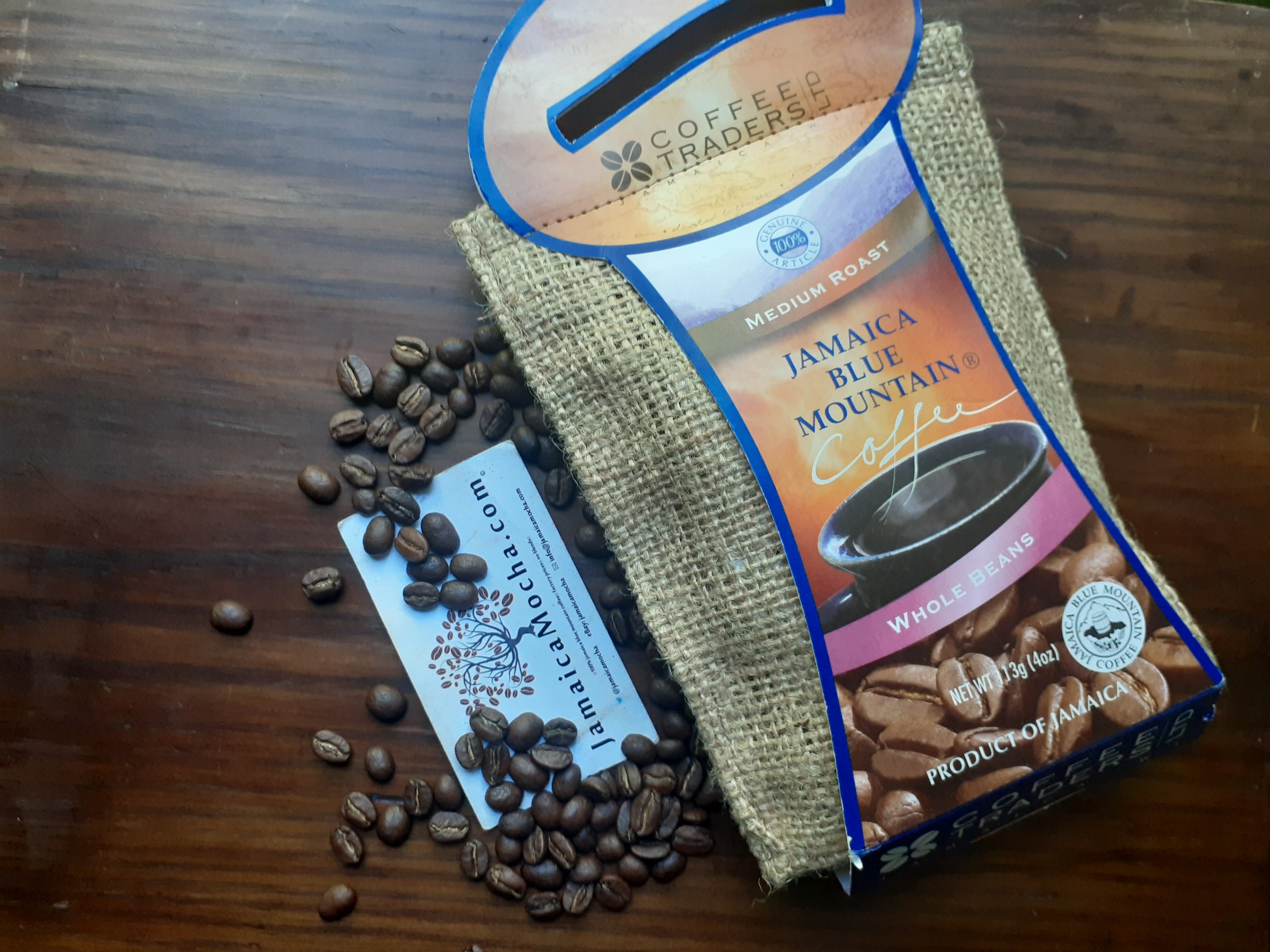
NYC Coffee Startup hired a philosopher to teach its white male macho workforce about expanding their values. They avoided the cliche HR gender relations but came to the same result , acording to this WSJ article.
Perks in Hiring Ethics Consultant https://www.wsj.com/articles/nyc-coffee-startup-tamps-down-bro-culture-by-hiring-philosopher-11575385200
Starbucks lattes nearly half cheaper in Latin America than Jamaica
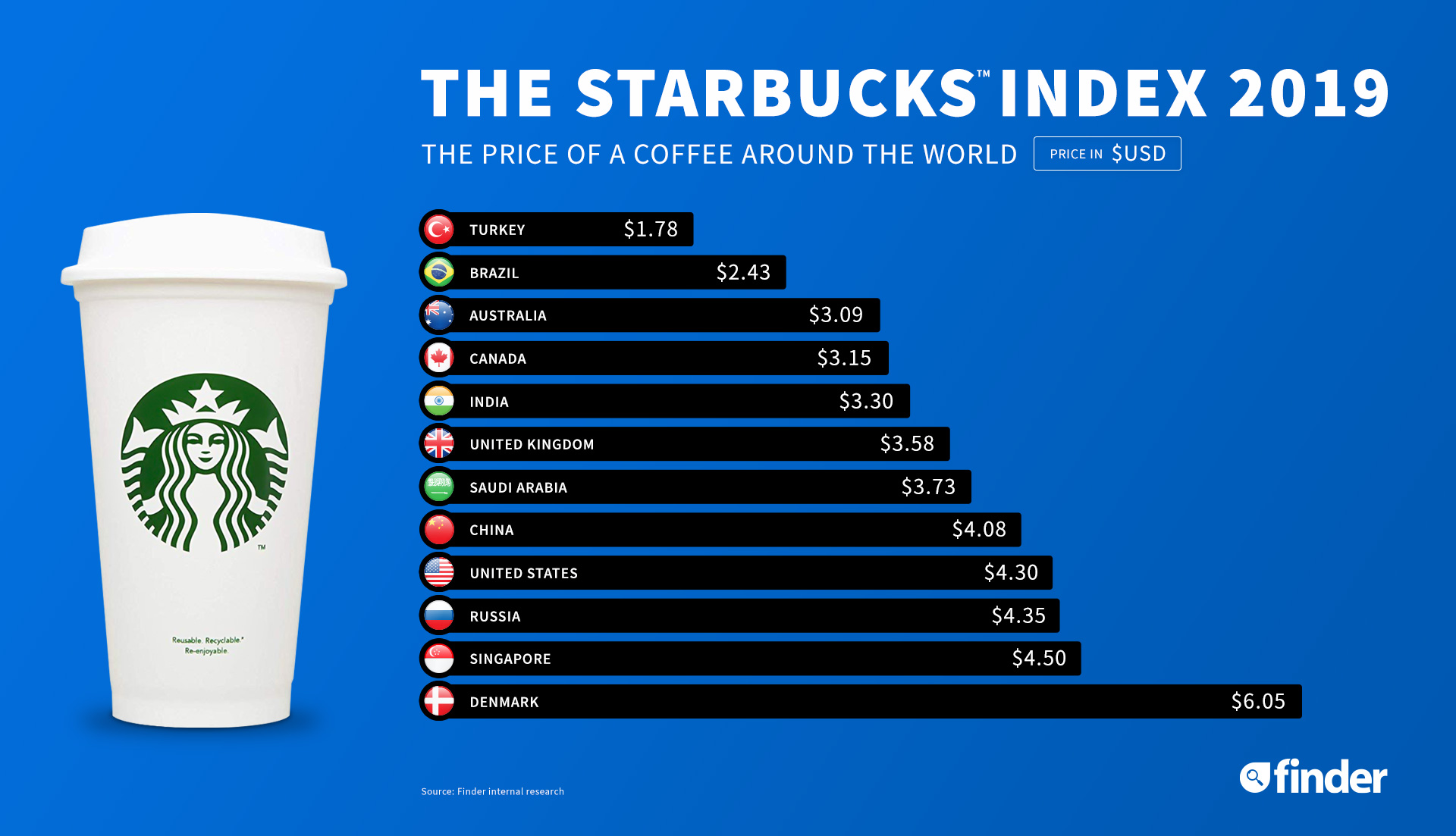
Mavis Bank, Jamaica–An independent study on Starbucks chains found that it costs nearly 50 per cent more to buy a latte in Jamaica than in other major coffee growing nations in the region, Colombia or Guatemala.
It costs US$3.30 in Jamaica but the same latte costs US$2.04 in Colombia and US$2.86 in Guatemala. All produce coffee, so why the disparity.
Colombia, formalised a policy which forced Starbucks to buy its coffee locally. As such all the coffee consumed in Starbucks Colombia comes from various coffee regions in Colombia. Jamaica does not have such a policy and this influences the pricing of coffee, as it imports all its beans. In fact Caribbean Coffee which holds the franchise for Starbucks in the island admitted that even the Jamaica Blue Mountainconsumed in Starbucks locally is reimported. Additionally, within a Starbucks in Jamaica, the cheapest origin branded beans are actually from Guatemala for roughly one-third the cost of Jamaica Blue Mountain. Cost conscious consumers gravitate to the cheaper product.
Finder, a non-aligned comparison platform and information service, curated the index, and ranked Jamaica at 43 among the 76 countries surveyed. It ranked Guatemala at 61 and Colombia as the third cheapest in the world.
A latte is made of one-third espresso and two-thirds milk with light foam on top.
The study itself has two components: a coffee cost comparison and a GDP valuation index. In Jamaica, the index showed that a latte is being sold at 6.01 per cent less than the expected coffee cost based on the country’s GDP per capita. In Colombia it found that the coffee is being sold for one-third more expensive than it should, when matched against its GDP per capita.

Denmark offered the most expensive location for a latte at US$6.05 versus Turkey the cheapest at US$1.78. Geographically, Europe offered the most expensive cup of coffee, followed by Asia and the Americas.
In Jamaica, as Starbucks cafes get more packed, the locals which traditionally do not drink coffee are being weaned on lattes and caps and flat whites. What of the local farmer. Its not likely to change anything as the demand is for cheap quick coffee rather than the luxury provided from the Blue Mountains.
Consequently, the actual benefit of Starbucks in Jamaica is the subsidised Guatemala coffee and other blends. These imports are likely to affect the coffee trade balance in Jamaica as exports have flattened. But that’s the focus of a different article.
The Starbucks index is an informal way to measure the strength or weakness of local currencies for a common item against other countries. It’s supported by research that excludes variances that affect the cost of a coffee, like prices of raw beans, local labour costs and taxes.
-jamaicamocha
Banksy coffee
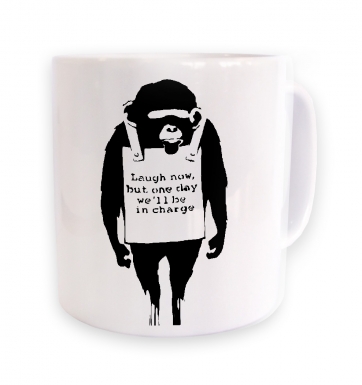
OK, you know you are large when websites are putting your work on coffee mugs. This ‘laugh now chimp’ was stenciled in various parts of the UK but now has made its way to a coffee mug hahah.
The Banksy Laugh Now Chimp coffee mug shows a dejected chimpanzee wearing a billboard around its neck with the slogan “Laugh now, but one day we’ll be in charge”. Maybe people buying the mug will see it miraculously shatter before their eyes.
I wonder if Banksy likes Jamaica Blue Mountain in his cup.
 jamaicamocha