Jamaica coffee seeks new market in Asia

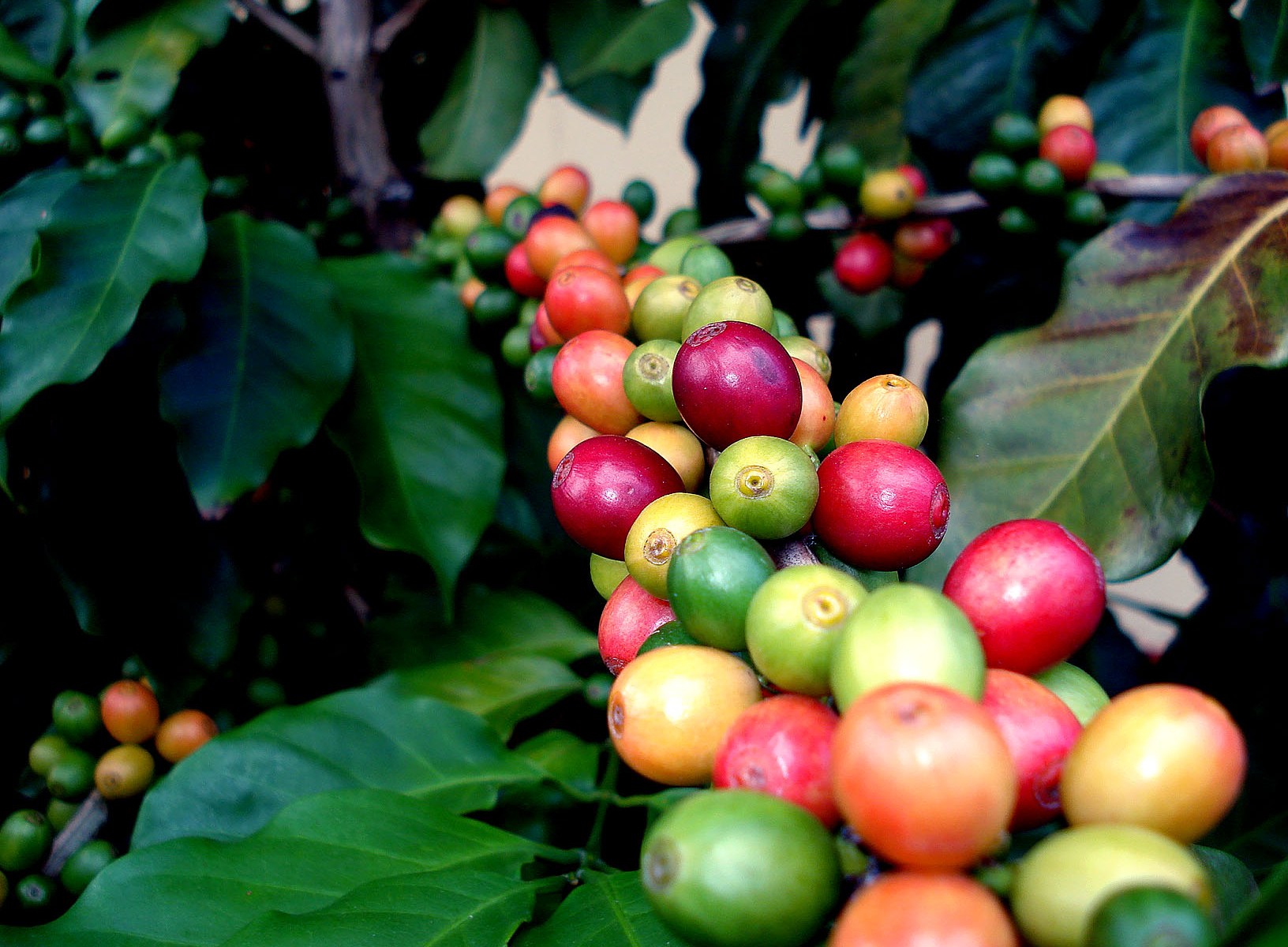
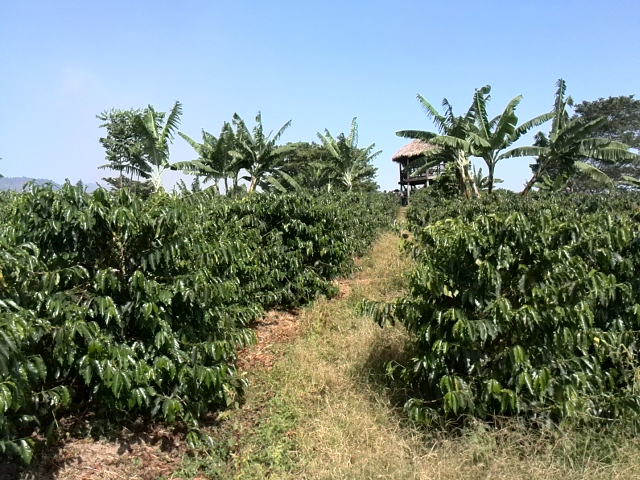
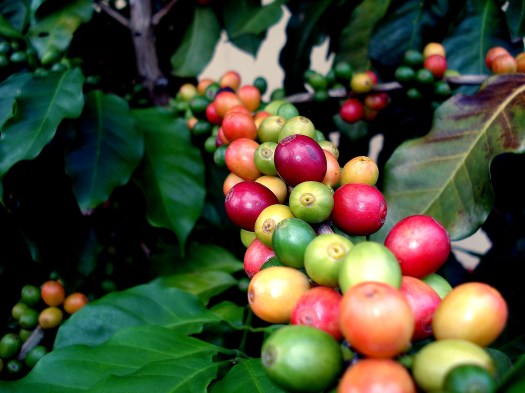
coffee plants

Industry players are again contemplating sending green or unroasted beans to China in an effort to offset reduced demand in Japan, the largest buying market for Jamaica Blue Mountain (JBM) coffee.

The source indicates that its a real possibility despite concerns about the Chinese market and the potential for unauthorised blending of beans.

“We have to try something,” added the source.

In 2011, the Coffee Industry of Jamaica (CIB) sent its first shipment of green beans to China. The CIB sent representatives to live in the country in order to streamline the supply chain. The deal signed with Zhejiang Dunn’s River Import and Export Company Limited, would handle the commercial transactions of the Hangzhou Coffee and Western Foods. The deal was met with ambivalence from some Japanese buyers who questioned the price at which the beans were sold to China. The deal with the major importer wasn’t continued after the initial two year attempt. But with the softening of the Japanese market the search for new markets are inevitable.As the industry can no longer avoid the world’s second largest economy.

Jamaica Coffee prices set to fall

IMG_20160805_115156.jpgJamaica Blue Mountain coffee prices hit a high of roughly US$60 per pound this year for roasted beans amid increased demand and reduced supply.

Consumers however will find solace in knowing that producers are expecting prices to fall by as much as 25 per cent in the next two years. It will mean that the cheapest Jamaica Blue Mountain (JBM) in years whether from Jablum, Wallenford, Amber or any other brand.

The price fall is the result of an expected increased supply of beans on the market as farms return to full or near to full capacity. The increased supply will result in an overabundance on the market which will, at least in economic terms, reduce the price.

In anticipation of this price drop, brands including Jablum introduced a Premium Blend of coffee that incorporates 30 per cent JBM and 70 per cent regional balanced beans. Thus price conscious enthusiasts can buy a pound for as little as US$32 plus shipping.

Over the last few years, a confluence of factors affected the supply of the beans led by drought, fires, infertile farms and disease.

Over the last two years, roasters in Japan wanted the bulk of beans from Jamaica and were willing to pay anything for the luxury cup.

During that period, the price at the farm level jumped fivefold from US$20 to $100 per box of coffee as small farmers gained influence in price setting.


Buy Jamaica coffee during shortage like salada

A local coffee brand SALADA Foods Jamaica Limited found out the hard way where to buy lots of Jamaica coffee during a nationwide coffee shortage.The problem was that they bought too much coffee at high prices equivalent to half of its annual sales.Prices have now stabilised and some dealers actually think it will dip in a year

The company said on Friday that its huge J$400 millon (us$3m) build up of inventory a year ago still stands at $309 million as at March 2016.The company complained about coffee prices last year but bought lots of it regardless. The company underwent a change of management in recent years.salada made J$15.5 m net proft on $159 m in revenues or 45 per cent lower profit year on year.

The price increases arguably slashed its sales by one-quarter, year on year.Coffee farmers are demanding more per box due to the impact of currency depreciation on farm costs, and also the cost to protect the coffee against disease and theft. Three years ago processors paid roughly $3,000 for a box of coffee cherry to farmers. Now farmers get $11,000 a box.Salada faced with increased local coffee competition in both the instant and brewed markets will launch new instant coffee products this year. 

Jamaica Blue Mountain Coffee Prices to Fall

The price of Jamaica Blue Mountain (JBM) coffee jumped so much in 2015 that it now rivals the price of Kopi coffee and outpriced itself from Hawaiian Kona, but what goes up comes down.

Coffee bars around the world historically offer Kona and JBM at roughly the same prices . The 2015 local coffee shortage and rise in Japanese demand changed that with JBM retailing at about $60 per pound from about US$35 a pound a few years earlier for quality beans.

It resulted in the wealthy huffing and puffing but still buying the luxury super-uber-yummy coffee from Jamaica. The regular rich however choose to drink tea instead ( Starbucks buys Teavanna ).

Jamaicamocha spoke to key dealers who predict the fall in price of JBM by 2017 due to reduced demand in Japan and ramp up in supply. “A large Japanese dealer stopped carrying JBM and other roasters in Japan are bailing and crying about the price,” said dealer A. 

With the rise in prices for JBM every farmer’s son and grandson returned to till the soil. The rise in farmers on resuscitated lands will result in a jump in production and the magic number is 350,000 boxes for the crop year.

Hitting that target would put supply at a decade year high.

Another dealer said that JBM’s market is like a pyramid the higher the price the smaller the market. Simple economics dictates that price remains when demand and supply are in equilibrium: Yet demand is falling and the supply is rising.

Jamaicamocha believes on advise of dealers that the prices will fall back to about $45 a pound by 2017. Until then small poor farmers benefit. Dealers benefit and the discerning consumer gets his uber fix without counterfeits.

Marley coffee links with NFL

Marley Coffee which sells commodity and luxury Jamaica blue mountain beans will partner with The Broncos NFL team to cobrand  coffee.

“Marley Coffee is played to announce a limited edition Mile High Blend in partnership with the Denver Broncos,”  Marley tweeted.

The company which is on track to break even this fiscal year based on sustained sales growth.

image

image

Starbucks sells jamaica coffee this month

image

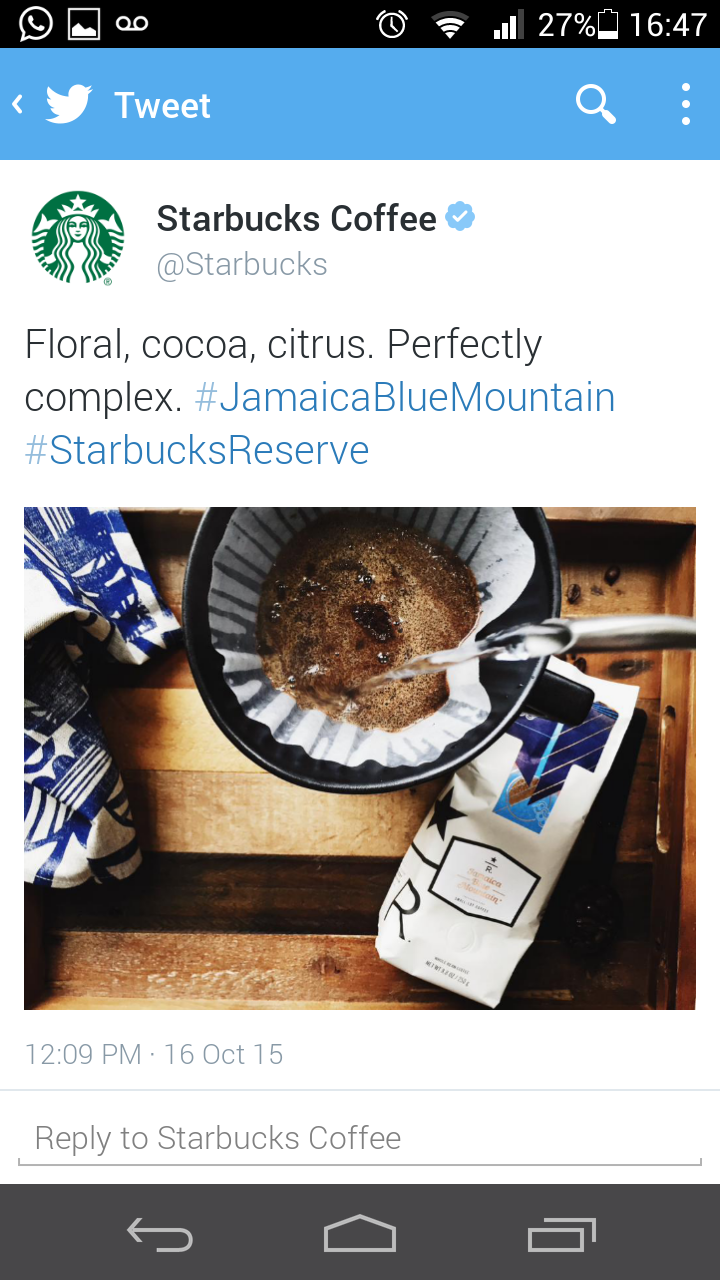
Starbucks started selling Jamaica Blue Mountain coffee this month at select stores in the United States.

 Starbucks will buy beans originating from Amber Estate and St  Cloud Estate in the Jamaica Blue Mountains. It will then ship, roast and bag the beans to Starbucks specifications.

The beans from Amber Estate are without doubt a superior bean. Its brews a coffee that’s heavy cacoa, gushing with lemony citrus.

Starbucks, which had stopped offering the beans for about a year in the US, sells an 8.8 oz bag for just under US$30. It describes the coffee as perfectly complex.

“This is a complex coffee with layers of citrus flavor and a hint of chocolate,” states the tweet.

On Starbucks’ official page, it indicates that its the 6th year featuring the coffee described as a “customer and partner favorite”.

“This world class coffee is always limited and we are delighted that we can enjoy it again this year,” stated

Jamaican coffee remains in short supply due to a series of natural – such as the recent drought – and man-made events.

“This coffee was grown beneath the peak of the 7,400-foot Blue Ridge. The dew, along with plentiful rainfall and fertile soil, helps create ideal growing conditions. After the harvest, each bean is scrutinized and certified to ensure nothing short of the highest quality. The result: a complex cup with layers of citrus flavor and a hint of cocoa,” Starbucks added.

Wallenford aims to supply Harrods in UK

IMG_20130726_172709wallenford starbucks image

The luxury Jamaica Blue Mountain coffee brand Wallenford Estate aims to finalise plans to sell its beans in Harrods in the UK. Its described as the largest upmarket department store in Europe. It spans five acres of stores within one building. Wallenford aims to sell the beans to Harrods under its luxury coffee brand but it would still indicate origin from Wallenford Estate. Its a move similar to the January announcement by Wallenford of formalizing a deal with Starbucks to sell its coffee as Starbucks Reserve Wallenford Ltd. As always jamaicamocha offers an affordable option to buy Wallenford factory direct.

Salada Coffee complains of JBM prices

A respected local coffee brand SALADA Foods Jamaica Limited complained of Jamaica coffee price increases.

The increases slashed its gross margins by more than one-quarter, the company stated. It’s the latest processor to complain about the over 30 per cent price hike in one year, and 250 per cent hike over two years, towards $11,000 per box of coffee cherry. However the price rise is due to a severe supply shortage based on drought, disease, farm decay and now fire. Concurrently, large overseas buyers are demanding more coffee from Jamaica. On the micro-level farmers are demanding more per box due to the impact of currency depreciation on farm costs, and also the cost to protect the coffee against disease and theft. Two years ago processors paid roughly $3,000 for a box of coffee cherry to farmers.

“Profits continue to be adversely affected by the increases in price of coffee beans realised in the first quarter and the performance of its subsidiaries Mountain Peak Food Processors Ltd and Pimora Company Ltd,” stated Salada in a notice prefacing the financials signed jointly by Chairman Patrick Williams and Director Aubyn Hill. “The gross margin for the six months was 27.5 per cent, a reduction of 27 per cent when compared with the same period in the prior year. This resulted from the higher cost of coffee bean now being processed.”

Salada made $37-million profit before tax in the March quarter 2015 on $220 million in revenues, or 184 per cent higher profit year-on-year.

Just this week, large coffee processor Mavis Bank Coffee Factory Ltd makers of Jablum indicated that fire damaged at least $200 million worth of farms thus far. Last week US-based Marley Coffee cautioned its investors that the supply shortage of Jamaica Blue Mountain coffee could affect its sales going forward.

In recent times, Salada has faced increased local coffee competition in both the instant and brewed markets. Salada in its previous quarter hinted that it would seek to launch new coffee products this year. However, its latest March financials failed to add information on product development.

Last year, large coffee company Mavis Bank Coffee Factory Ltd launched True Brew, an instant coffee. It also launched Jablum Caribbean Blend, a mixture of beans from Jamaica and the Caribbean. In 2012, it also launched a high-end product called Jablum Gold.
cess on coffee imports to Jamaica contemplated

The Coffee regulator in Jamaica reportedly wants to further tax coffee imports to fund local production.

The Coffee Industry Board Jamaica (CIB) said the cess would finance local farmers.

“This recommendation to the minister was made after extensive consultations with the stakeholders in the coffee industry. The minister has publicly expressed his agreement with the proposal and he will, at the appropriate time and place, announce the amount of the cess and how it will be applied,” the CIB reportedly indicated to local media.

Jamaica’s coffee production has fallen to less than 200,000 boxes annually from a high of more than 500,000 boxes in 2004.

Jamaica Blue Mountain remains in short supply due to a confluence of factors now led by fires and the berry borer disease. Coffee exports totaled some US$13 million last year down from some US$25 million in  pre-crisis levels.