
https://www.bonappetit.com/story/now-and-then-nashville-reinventing-the-coffee-shop
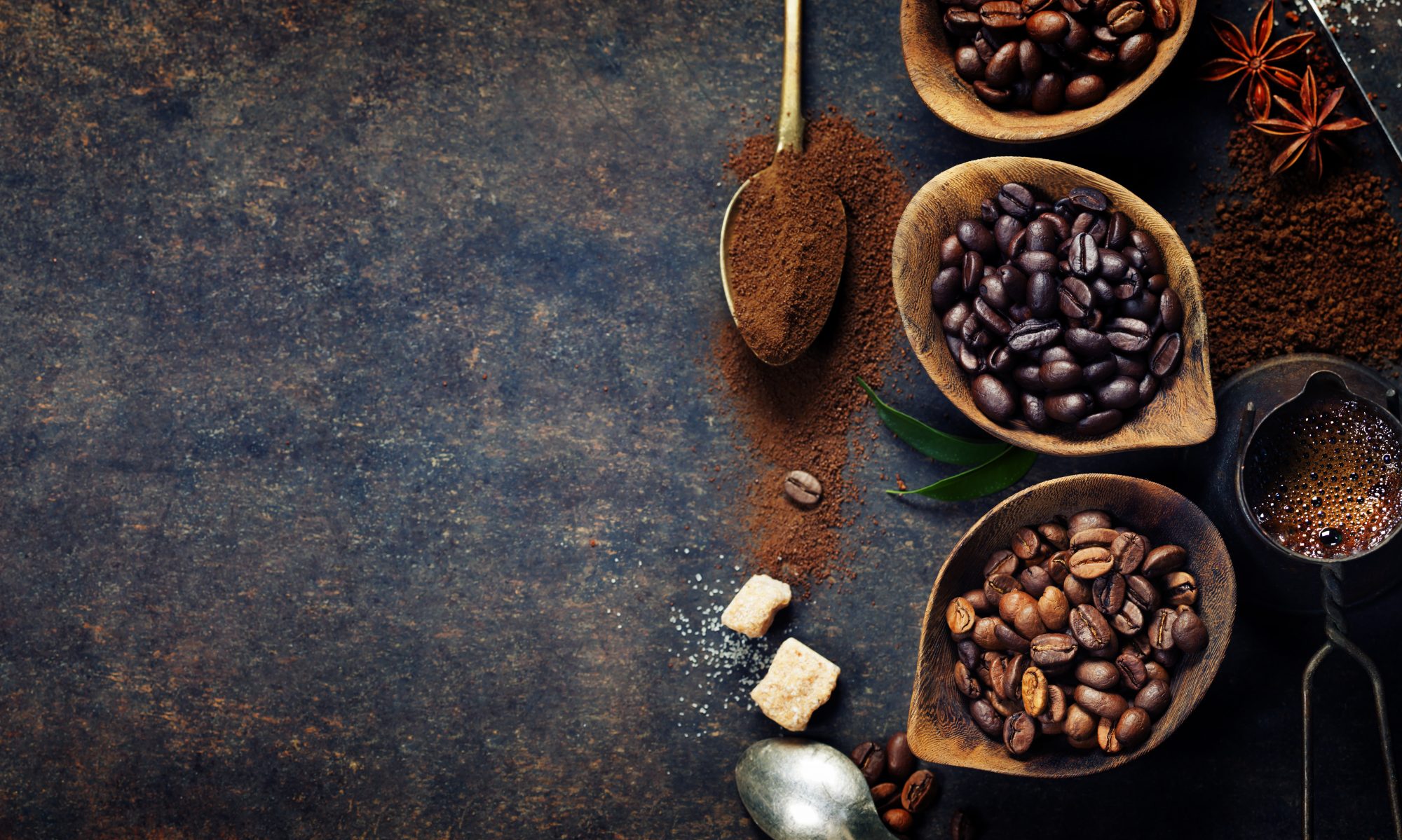
We rank the best brands of Jamaica Blue Mountain coffee. Revealing insider tips for spotting fakes. And deliver quality brands to your door.
What’s the Best Way to Store Coffee Beans? Starbucks Settles the Debate Source: EatingWell https://search.app/ZujGF Shared via the Google App
Continue reading “Starbucks on storing coffee”
AP News – Starbucks is imposing new limits on what its baristas can wear under their green aprons.
Starting May 12, employees will be required to wear a solid black shirt and khaki, black or blue denim bottoms. Shirts can be short- or long-sleeved and collared or collarless, the company said in a memo released Monday. Starbucks will give each employee two free T-shirts.
Starbucks said the new dress code will make its green aprons stand out and create a sense of familiarity for customers. It comes as the company is trying to reestablish a warmer, more welcoming experience in its store.
“By updating our dress code, we can deliver a more consistent coffeehouse experience that will also bring simpler and clearer guidance to our partners, which means they can focus on what matters most, crafting great beverages and fostering connections with customers,” the company said in a post on its website.
But some workers protested the move. Starbucks Workers United, a labor group that has unionized workers at more than 550 of Starbucks’ 10,000 company-owned U.S. stores, said it told the company last week that it has already negotiated a tentative dress code agreement during bargaining sessions with the company. The union said it opposes any changes to the dress code until bargaining concludes and a labor agreement is reached.
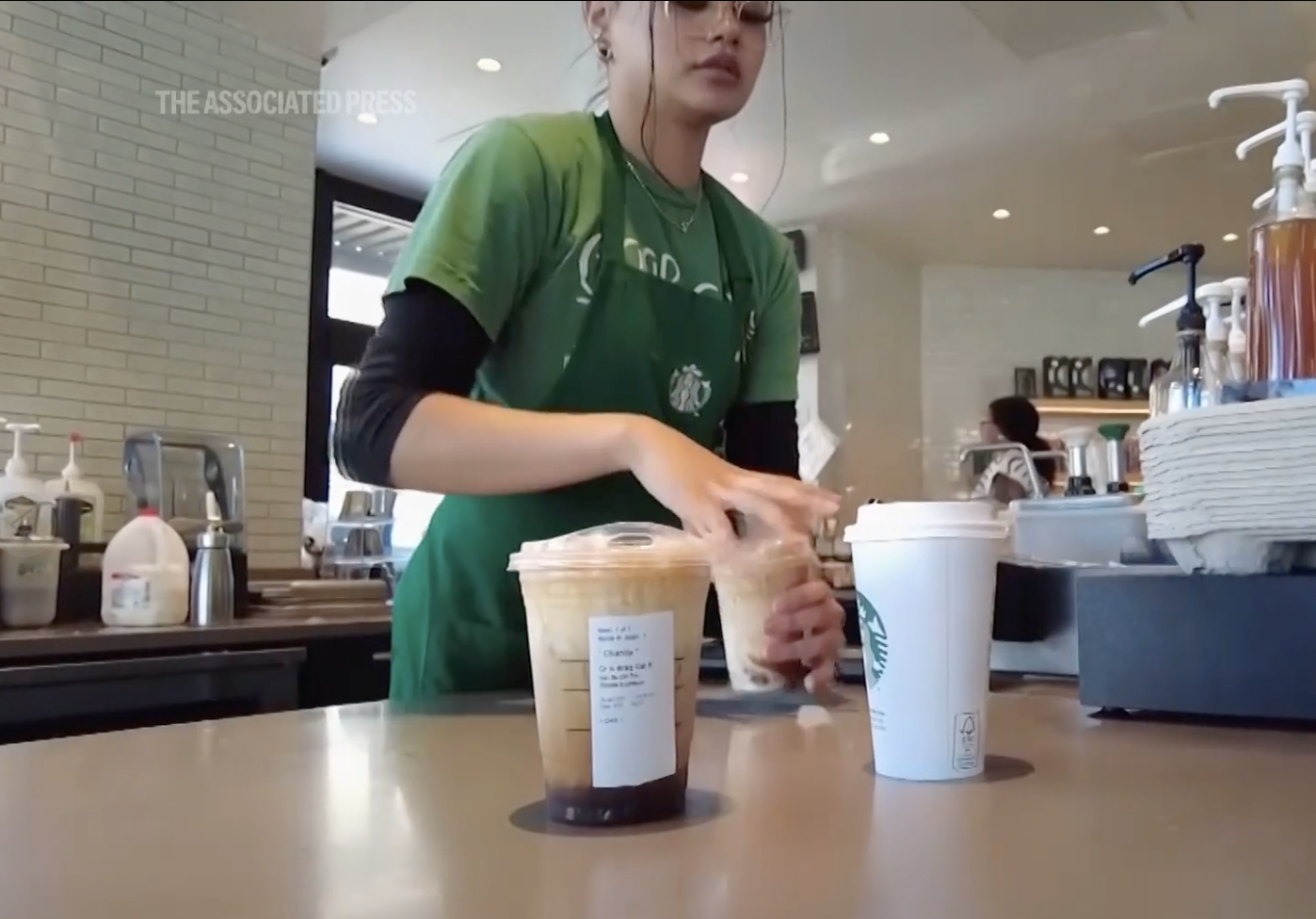
Jasmine Leli, a Starbucks barista and union bargaining delegate, said the company should be focusing on things that improve store operations, like appropriately staffing stores and giving workers a guaranteed number of hours.
“Instead of addressing the most pressing issues baristas have been raising for years, Starbucks is prioritizing a limiting dress code that won’t improve the company’s operation,” Leli said in a statement provided by the union. “They’re forcing baristas to pay for new clothes when we’re struggling as it is on Starbucks wages and without guaranteed hours.”
END

Every summer, the Sahara Dust drifts across Jamaica’s skyline, affecting this luxury coffee-growing island, already vulnerable to violent weather.
For locals, the sight of the dust reinforces that summer is here! Remember, all weather involves the transfer of heat. If desert dust is visible, what about the thousands of missiles fired in recent years across the Middle East, Eastern Europe, and parts of Africa?
One missile can destroy an entire apartment complex and some can destroy entire blocks. Could they be contributing to atmospheric heating? The heat and carbon emissions from these missile strikes might be making their way toward the Caribbean. While no scientific evidence supports this theory yet, it does raise interesting questions.
The Jamaican coffee industry is facing growing challenges due to increasingly unpredictable weather patterns, including heavier rainfall and prolonged droughts. Recently, the industry reported losses of US$3.5 million—over 15% of its annual crop. Experts point to intensified heat transfer in the atmosphere, potentially worsened by global conflicts, as a contributing factor. This is driving up global coffee prices, mirroring the impacts already felt in Jamaica’s Blue Mountain Coffee sector.
On Monday, Nasdaq reported that coffee commodity prices—both Arabica and Robusta—rose by 1.9% and 1.6%, respectively, for October 28. This rally is largely attributed to weather disruptions affecting major coffee-growing regions. Extreme conditions, such as excessive rain and prolonged droughts, are hampering harvests. Brazil, the world’s largest coffee producer, is grappling with inconsistent weather, driving prices higher. Similarly, reports from Colombia highlight concerns over unstable growing conditions.
The introduction of Tesla robots raises profound ethical questions, particularly around the concept of robot labour. If machines can replace humans in physically demanding jobs, such as coffee plantation labour or cafe work, where does this leave us ethically and economically?

In a future where robots harvest coffee beans, transport goods, and even prepare your morning macchiato, the relationship between technology and labour becomes increasingly complicated. On one hand, robotic automation could alleviate human workers from repetitive, dangerous, or underpaid jobs. Plantation workers, many of whom work in difficult conditions, could benefit from such a shift. But it opens the door to a form of “robot slavery”—machines being built, programmed, and maintained solely for the purpose of work. While robots do not have consciousness or emotions, we must ask whether there is a moral line we are crossing by developing tools designed purely for exploitation.
On a smaller scale, could a robot really make the perfect macchiato? Many argue that human intuition, attention to detail, and creativity are crucial in producing quality coffee. While robots can follow precise instructions and perform tasks with consistency, they may lack the adaptability to respond to the subtle variations in ingredients or the artistic flair of a skilled barista. Yet, we are already seeing fully automated cafes that promise faster service and lower costs, raising questions about the value we place on human touch.
Another looming issue is compensation. If robots replace human workers, should corporations pay for the “employment” of robots, given the economic benefits they derive from automation? And if robots become essential workers, who owns the rights to their output? This future forces us to rethink labour, responsibility, and ownership in an increasingly automated world.
 jamaicamocha