
The introduction of Tesla robots raises profound ethical questions, particularly around the concept of robot labour. If machines can replace humans in physically demanding jobs, such as coffee plantation labour or cafe work, where does this leave us ethically and economically?
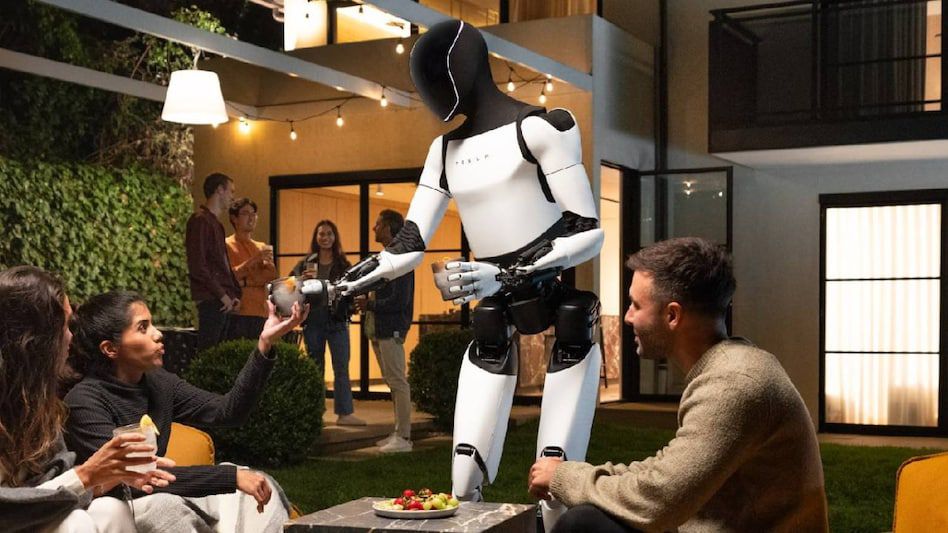
In a future where robots harvest coffee beans, transport goods, and even prepare your morning macchiato, the relationship between technology and labour becomes increasingly complicated. On one hand, robotic automation could alleviate human workers from repetitive, dangerous, or underpaid jobs. Plantation workers, many of whom work in difficult conditions, could benefit from such a shift. But it opens the door to a form of “robot slavery”—machines being built, programmed, and maintained solely for the purpose of work. While robots do not have consciousness or emotions, we must ask whether there is a moral line we are crossing by developing tools designed purely for exploitation.
On a smaller scale, could a robot really make the perfect macchiato? Many argue that human intuition, attention to detail, and creativity are crucial in producing quality coffee. While robots can follow precise instructions and perform tasks with consistency, they may lack the adaptability to respond to the subtle variations in ingredients or the artistic flair of a skilled barista. Yet, we are already seeing fully automated cafes that promise faster service and lower costs, raising questions about the value we place on human touch.
Another looming issue is compensation. If robots replace human workers, should corporations pay for the “employment” of robots, given the economic benefits they derive from automation? And if robots become essential workers, who owns the rights to their output? This future forces us to rethink labour, responsibility, and ownership in an increasingly automated world.
 jamaicamocha