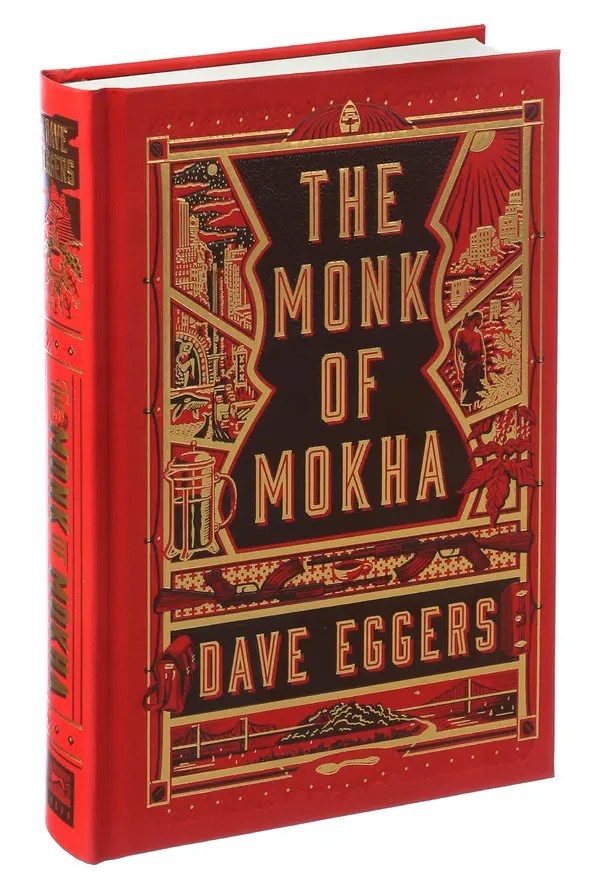
celebrate national coffee day with a your favorite cup of coffee and this wonderful book it’s the incredible but true story of a young man, Mokhtar …
the monk of mokha.
We rank the best brands of Jamaica Blue Mountain coffee. Revealing insider tips for spotting fakes. And deliver quality brands to your door.
celebrate national coffee day with a your favorite cup of coffee and this wonderful book it’s the incredible but true story of a young man, Mokhtar …
the monk of mokha.
Study Finds Coffee May Help Men Achieve Longer Erections
Recent studies suggest that coffee consumption might improve erectile function in men, leading to longer-lasting erections. Research conducted by the University of Texas Health Science Center found that men who consume the equivalent of two to three cups of coffee daily are less likely to experience erectile dysfunction (ED). The caffeine in coffee helps relax the arteries and smooth muscle tissue within the penis, enhancing blood flow. Improved blood circulation is a critical factor in achieving and maintaining an erection, which explains why moderate coffee consumption could offer benefits in the bedroom.

According to the study, men who consumed between 85 and 170 milligrams of caffeine daily experienced a 42% lower chance of erectile dysfunction compared to those who consumed little to no caffeine. Even men who consumed slightly more (up to 170-303 milligrams per day) showed a 39% reduction in ED risk. Caffeine’s ability to increase blood flow through vasodilation, coupled with its stimulation of the nervous system, can improve erectile performance, according to experts.
Other research also supports this link between caffeine and improved sexual function. In a 2015 study published in PLoS One, researchers found that men who consumed moderate amounts of caffeine each day were less likely to report issues with erectile function, regardless of their weight or age.
While the studies are promising, it’s important to note that caffeine is not a substitute for medically recommended treatments for erectile dysfunction. Lifestyle factors, including overall cardiovascular health and stress levels, also play significant roles in sexual performance.
The findings offer new insight into how a daily cup of coffee may not just boost energy but also improve men’s sexual health. However, moderation is key, as excessive caffeine can lead to other health complications, such as anxiety and heart issues.
What Would Happen if the most popular coffee bean–Arabica, became decaf? Science fiction today, but likely reality in your great grandchildren’s lifetime.
Imagine a world where everyone is sipping decaf. The thought alone could make even the calmest coffee lover feel jittery (ironically). After all, decaf doesn’t quite pack the punch of its caffeinated cousin. It’s like coffee’s less fun sibling, the one that shows up to the party but doesn’t dance. And why is that? Decaf is stripped of most of its caffeine through processes like washing the beans with solvents, water, or carbon dioxide. Unfortunately, this also tends to rinse away the rich flavors, leaving behind something that resembles “coffee,” but in the same way a photocopy resembles a masterpiece.
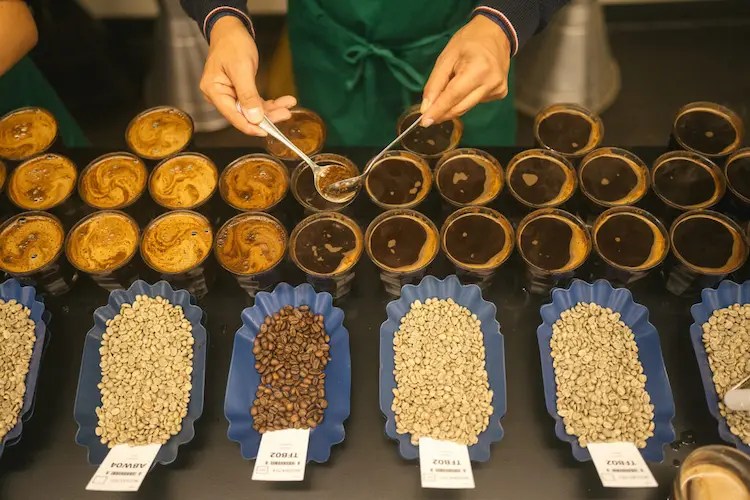
However, what if this decaffeination trend was already underway in the coffee world itself, and not by choice? Enter Arabica coffee, the favorite bean of the coffee-drinking world. Known for its smooth, balanced flavor, Arabica is often the bean of choice for discerning coffee drinkers. But here’s the kicker: Arabica beans are gradually weakening in caffeine content, thanks to climate change.
Arabica plants are highly sensitive to changes in temperature, pests, and soil quality. Rising global temperatures are pushing these plants out of their ideal growing zones. As a result, they’re producing beans with less caffeine. To make things worse, pests like the coffee borer beetle, which thrive in warmer climates, are attacking Arabica crops, further reducing the health of the plants and, consequently, the caffeine in the beans.
Now, let’s imagine a world where Arabica completely dominates the coffee market—say goodbye to the more caffeine-packed Robusta beans. If Arabica continues to lose caffeine at a hypothetical rate of 0.5% per year (totally made-up but plausible), then by the year 2264, Arabica lovers would essentially be drinking decaf without realizing it! That’s right—your descendants might sit down at a café, take a sip of their favorite brew, and wonder why they feel sleepy instead of buzzed.
In a world ruled by weak Arabica beans, we might see the rise of alternatives—genetically modified super-caffeinated beans, perhaps, or a switch to synthetic caffeine boosters. But until then, we should savor the rich, caffeinated goodness of coffee while we can because, one day, it might just be a shadow of its former self.
AI generated article built on Jamaicamocha parameters and queries.
Kingston, Jamaica – Jamaican coffee farmers, particularly those cultivating non-Blue Mountain varieties, are facing increasing challenges that threaten their livelihoods. Despite a recent surge in overall coffee production, the disparity in prices and support for Blue Mountain and non-Blue Mountain farmers has widened.

The Blue Mountain range stretches along the eastern side of the island, while coffee from the High Mountain region (also known as non-Blue Mountain) is primarily produced in the central and western parts. Quality Blue Mountain offers coffee lovers a complex flavor profile with notes of spice, chocolate, and fruit, while High Mountain coffee typically has a more intense chocolate and spice flavor with a slight bitterness. Despite the higher quality and premium price of Blue Mountain coffee, the challenges faced by farmers in both regions are significant.
Difficult farm access on steep slopes, high fertilizer costs, farm theft, diseases, and the changing climate make farming Blue Mountain coffee a risky venture. Many farmers are struggling to make a profit, even with the higher prices. “They want us to plant more beans, but it just doesn’t make any sense most of the time,” said the head of Middleton Cafe in the Blue Mountains.
The price disparity between Blue Mountain and non-Blue Mountain coffee is evident at the consumer level as well. A cup of Blue Mountain coffee can cost up to $3.50 at Middleton Cafe, while a cup of High Mountain coffee at Smurfs Cafe in Treasure Beach is only $1.00.


According to the Planning Institute of Jamaica, while Blue Mountain cherry coffee production increased by 16.2%, non-Blue Mountain cherry coffee production declined by 1.3%. This trend can be attributed to several factors, including the higher prices offered for Blue Mountain coffee, which incentivizes farmers to focus on this more lucrative crop.
The recent increase in Blue Mountain prices has further exacerbated the economic divide between farmers. The average farm gate price for Blue Mountain cherry coffee has risen to $367,433.3 per tonne (or roughly US$2,450 per tonne), while non-Blue Mountain cherry coffee remains at $119,415.8 per tonne (about US$800 per tonne).
This price disparity has led many non-Blue Mountain farmers to abandon their crops in favor of more profitable alternatives. The decline in non-Blue Mountain production is not only a loss for these individual farmers but also a blow to the country’s agricultural diversity and the overall economy.
Efforts to address this issue include providing targeted support to non-Blue Mountain farmers, such as technical assistance, improved access to markets, and potentially higher subsidies. Additionally, exploring new markets for non-Blue Mountain coffee and promoting its unique qualities can help to increase demand and improve prices.
Crisis isn’t new to coffee. Below is a timeline from before the pandemic.

NEW YORK, Oct 1 (Reuters) – The unloading of hundreds of containers with imported coffee beans at the United States’ East Coast ports has stopped due to the strike of portworkers, aggravating the tight supply in the largest coffee-drinking nation.
The delays in delivery of imported coffee to U.S. roasters and coffee chains could further increase bean prices which hit multi-year highs last week due to limited supply, and raise costs for companies and consumers.

Prices for coffee held in U.S. warehouses are already rising due to the delays, said one coffee trader with containers stuck in ports.
“We have some 40 containers waiting to be moved,” said the head trader of one of the largest coffee importers in the U.S., which supplies roasters and cafeterias nationwide.
“The owners of the containers already told us they will charge additional fees if the boxes take longer than normal to be returned,” he added, asking not to be named because he was not authorized to speak publicly on the issue.
A portworkers strike entered its second day on Wednesday, halting the movement of containers through ports from Maine to Texas, affecting shipments of hundreds of products including food.
Some coffee sellers have stopped offering spot deals as they wait to see how the strike develops, said a second trader.
U.S. coffee stocks are at a low historical level, the traders said, since importers have been avoiding high inventories to reduce storage costs during a period of high interest rates. That situation makes the port problems worse.
“Some regions (in the U.S.) might have a supply squeeze,” said the first trader.
Industry participants believe, however, that the labor issue could be quickly solved because the magnitude of the problem demands attention.
“We source coffee from 35 different countries. If this (strike) goes on for a long time, everybody will be impacted,” said Will Ford, president of operations at Arkansas-based Westrock Coffee Company (WEST.O).

Years after Starbucks recommitted itself to incorporate Jamaican coffee into its local offerings, the reality tells a different story.
Walk into any Starbucks store in Jamaica today, and one thing is constant: it does not sell Jamaican coffee. This contradicts the very intention of its entry into the market back in 2017 and its recommitment to offer local beans in 2020.
At the time of Starbucks’ expansion into Jamaica, the company expressed excitement about using local Blue Mountain and High Mountain coffee varieties. As local franchise holder and businessman Ian Dear noted, “Starbucks has proudly sourced Jamaican Blue Mountain coffee since the early days of its operations…and it continues to be a key feature in the Starbucks Reserve line of small-lot coffees in the U.S. and select international markets”.

When Starbucks first entered Jamaica, it briefly offered local coffee during its first year, albeit at prices nearly double those of supermarket brands. The challenge, however, lay in sourcing quality beans at a competitive price.
Compounding the problem, all the beans were shipped to Seattle for roasting and bagging, only to be shipped back to Jamaica. This process made local coffee prohibitively expensive for the Jamaican market.
Despite the initial excitement, none of the Starbucks locations in Jamaica currently offer Jamaican-grown coffee. This missed opportunity has been a disappointment for the local coffee industry, which had hoped that Starbucks’ presence would lead to increased international exposure and local job creation. Instead, Jamaican farmers and stakeholders are left questioning the unfulfilled promises, as Starbucks continues to rely on imported coffee, leaving its local varieties absent from the menu. The goal of supporting the Jamaican economy and promoting its world-renowned coffee remains unrealized.
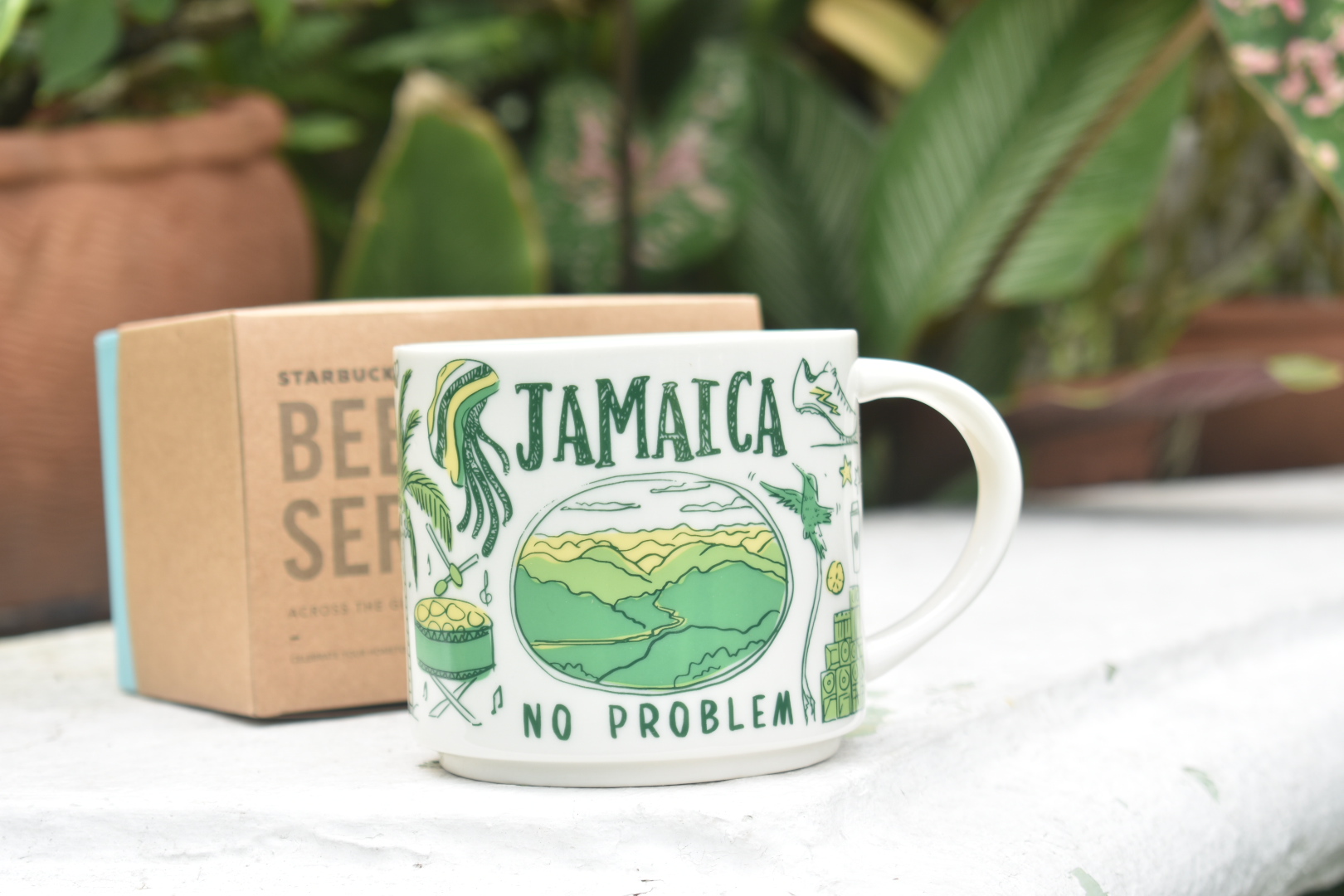
The only thing Jamaica based is its Been There Travel mugs.
Starbucks’ relationship with music has evolved significantly from its music beginnings in the 1990s, where jazz and blues dominated the ambiance of its stores, to an expansive multi-genre offering by 2024.
That said, where’s all the rap and hard rock?

Initially, the coffee chain’s music program was designed to complement the ‘experience of coffee’, creating a soothing and unique atmosphere in stores through jazz and blues compilations. Customers were drawn to these collections, which were available for purchase on CD, reflecting the physical distribution model of the time. This partnership between coffee and music was a natural extension of Starbucks’ mission to create not just a place to buy coffee but a community space for relaxation and cultural enrichment.
By 2024, Starbucks had expanded its music offering far beyond these original genres, embracing multiple streaming options through platforms like Spotify. A quick look at Starbucks’ official Spotify playlists shows a wide range of genres including indie, pop, classical, and world music, reflecting the diverse tastes of its global customer base. This shift from in-store CD sales to streaming platforms marked a dramatic transformation in how Starbucks distributed music, making it more accessible to a broader audience through a platform that many users engage with regularly.

Despite the growth in genres, rap and modern rock are largely absent from Starbucks’ playlists. While hip-hop and R&B are represented, rap music’s heavier lyrical themes seem less aligned with the relaxed, welcoming atmosphere Starbucks aims to create in its stores. Similarly, contemporary rock, especially the more energetic or rebellious varieties, is also notably missing. Instead, Starbucks appears to favor genres that maintain a calm and approachable environment, aligning with its brand identity. The decision to omit these genres is likely strategic, focusing on maintaining a consistent in-store experience that appeals to a broad customer base while avoiding more polarizing musical styles.
As of today, Starbucks operates over 36,000 stores globally, with a significant proportion of these playing music throughout the day to enhance the customer experience. The cost of music in such a widespread setting is substantial. Businesses like Starbucks typically pay licensing fees to organizations such as ASCAP and BMI to legally play music in their stores. For a large corporation like Starbucks, these fees can range from $200 to $2,000 per store annually. Extrapolating from Starbucks’ global store count, the company could be paying upwards of $7 million to $72 million per year on music licensing alone, depending on the agreements and country-specific regulations. That’s our estimates based on known factors of fees and store count.
This transformation showcases Starbucks’ commitment to enhancing the customer experience and keeping pace with technological advancements, extending the reach of its curated musical experience well beyond its physical stores.


I have never really had the follow-through to really become a collector. My husband is an excellent collector. My daughter has always been a …
I am not a collector, but…

RALEIGH, N.C. (WNCN) — Starbucks cup collectors now have a new item to hunt down. North Carolina State University and Starbucks have teamed up to …
NC State, Starbucks team up for new mug, tumblers

Reminiscing about a mishap with a free sample of Starbucks’ Oleato coffee. The outcome was a bit harsh and a valuable lesson was learned.
A Free Coffee Sample Turns Into A One-way Ticket To The Throne

Hello and Welcome! Come on in and I’ll get you a large mug of dark roast, a cuppa tea or other beverage. It is raining right now and a bit cooler …
If We Were Having Coffee on the 21st of September, 2024 #weekendcoffeeshare
 jamaicamocha